Picking the right dentist for cosmetic procedures or dental implants affects both your appearance and your oral health for years to come.
These treatments require special skills and training that go beyond regular dental care. A wrong choice can lead to poor results, extra costs, or even health problems.
The best dentist for cosmetic or implant work should have advanced training, use modern technology, show proven results from past patients, and make you feel comfortable throughout the process.
You want someone who listens to your goals and creates a treatment plan that fits your needs. The right dentist combines technical skill with a caring approach.
Making this choice doesn’t have to be hard when you know what to look for. Checking credentials and experience helps you find a dentist who can deliver the smile you want.
This guide walks you through the key factors that matter most when choosing a dentist for your cosmetic or implant needs.
Key Takeaways
- Look for dentists with specialized training in cosmetic procedures or implant dentistry and ask about their success rates
- Review before-and-after photos and patient testimonials to see the quality of their work
- Choose a dentist who uses modern technology and takes time to understand your specific goals
Table of Content
- Understanding Cosmetic and Implant Dentistry
- Credentials, Qualifications, and Specialist Training
- Evaluating Experience and Results
- Personalized Approach and Treatment Planning
- Modern Technology and Techniques for Superior Outcomes
- Ensuring a Comprehensive and Caring Patient Experience
- Frequently Asked Questions
Understanding Cosmetic and Implant Dentistry
Cosmetic dentistry focuses on improving how your teeth look, while implant dentistry replaces missing teeth with permanent solutions. Both fields use different techniques and serve different purposes in your dental care.
What Is Cosmetic Dentistry?
Cosmetic dentistry includes procedures that improve the appearance of your teeth, gums, and smile. These treatments focus on color, shape, size, and alignment.
Common cosmetic dental procedures include teeth whitening, veneers, and bonding. Veneers are thin shells placed over your front teeth to fix discoloration, chips, or gaps.
Bonding uses tooth-colored resin to repair minor damage or close small spaces.
A cosmetic dentist can also reshape your teeth or adjust your gum line to create a more balanced smile. Crowns fall into both cosmetic and restorative work since they cover damaged teeth while improving appearance.
Most cosmetic treatments don’t address underlying dental health issues but make healthy teeth look better.
Key Differences Between Cosmetic and Implant Dentistry
Implant dentistry replaces missing teeth with titanium posts surgically placed in your jawbone. Dental implants function like natural tooth roots and support crowns, bridges, or dentures.
The main difference is purpose. Cosmetic dentistry enhances teeth you already have. Implant dentistry restores teeth you’ve lost. Implants prevent bone loss that happens after tooth extraction, which affects your facial structure over time.
Restorative dentistry is a broader category that includes both implants and procedures like crowns or bridges that restore function. Many treatments overlap.
A crown on an implant serves both restorative and cosmetic purposes. You need healthy gums and bone for both types of work to succeed.
Benefits of Advanced Cosmetic Dental Procedures
Modern cosmetic procedures deliver natural-looking results that last for years. Porcelain veneers typically last 10 to 15 years with proper care. Professional teeth whitening results can last 1 to 2 years.
Key benefits include:
- Improved confidence when smiling and talking
- Long-lasting results compared to temporary fixes
- Natural appearance that matches your existing teeth
- Better oral health from properly aligned and maintained teeth
Advanced materials like porcelain mimic how natural enamel reflects light. This makes cosmetic dentistry work blend seamlessly with your real teeth. Digital planning tools let you preview results before treatment starts.
Many cosmetic treatments also make your teeth easier to clean and maintain. Straighter teeth reduce plaque buildup. Fixing chips prevents further damage.


Credentials, Qualifications, and Specialist Training
Finding a dentist with the right credentials ensures you receive safe, high-quality care for cosmetic or implant procedures.
Professional certifications and specialized training demonstrate a dentist’s commitment to mastering advanced techniques beyond general dentistry.
Importance of Choosing Accredited Professionals
Accredited professionals have completed rigorous training and testing to prove their skills. When you choose an AAID-credentialed dental implant dentist, you’re selecting someone with verified education and experience.
Look for dentists who hold credentials like Associate Fellow or Fellow from professional organizations. These titles aren’t given lightly.
An Associate Fellow has completed at least 300 hours of postdoctoral education in implant dentistry, while a Fellow requires 400 hours plus five or more years of practical experience.
Board certification adds another layer of expertise. Diplomates of the American Board of Oral Implantology/Implant Dentistry (ABOI/ID) must complete at least 670 continuing education hours and pass comprehensive written and oral examinations.
These credentials matter because dental implants and cosmetic procedures require precision. Training, experience, and credentials directly impact your results and reduce the risk of complications.
Role of AACD and Other Professional Organizations
The American Academy of Cosmetic Dentistry (AACD) sets standards for cosmetic dental excellence. Dentists who earn AACD accreditation undergo extensive evaluation of their cosmetic work through case submissions and examinations.
The American Academy of Implant Dentistry (AAID) focuses specifically on implant procedures. AAID members must attend scientific conferences regularly and stay current with the latest techniques and technologies.
These organizations require ongoing education. Your dentist can’t simply earn a credential and stop learning. They must participate in continuing education to maintain their memberships and certifications.
Membership in these groups shows dedication to the field. It means your dentist invests time and money to provide better care and stay updated on new developments in cosmetic and implant dentistry.
Specialists: Prosthodontist vs. General Dentist
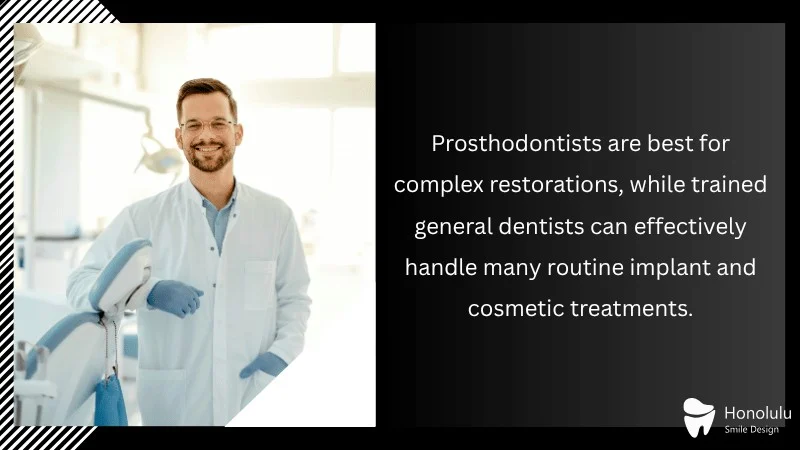
A prosthodontist completes three additional years of training after dental school. They specialize in replacing and restoring teeth, making them experts in both dental implants and cosmetic restorations like crowns, veneers, and bridges.
General dentists can perform implant and cosmetic procedures with proper training. Many general dentists pursue additional education in these areas and develop strong skills through years of practice and continuing education courses.
The key difference lies in depth of training. Prosthodontists handle complex cases involving multiple missing teeth, jaw problems, or patients who need full mouth reconstruction.
General dentists with implant training often handle straightforward cases effectively.
Consider your specific needs when choosing between a specialist and a general dentist. Simple procedures like single implants or teeth whitening may not require a specialist.
Complex cases involving bone grafts, multiple implants, or extensive cosmetic makeovers often benefit from a prosthodontist’s advanced expertise.
Evaluating Experience and Results
A dentist’s track record tells you more than credentials alone. Look at their actual work through photo galleries, read what past patients say, and judge whether their results match your vision for a natural smile.
Reviewing Case Portfolios and Before-and-After Photos
A strong before-and-after gallery shows you what a dentist can really do. Ask to see cases similar to yours, whether you need veneers, implants, or a full smile makeover.
Look for consistency across their portfolio. Do the results look natural and balanced with each patient’s face? Or do all the smiles look identical and overly white?
Pay attention to details like tooth shape, gum symmetry, and how teeth fit with lips. Reputable cosmetic dentists maintain extensive galleries with diverse cases that show their range and artistic skill.
If a dentist only shows a few photos or refuses to share examples, that’s a warning sign.
The Value of Patient Testimonials and Reviews
Patient reviews give you insight into the entire experience. Check multiple platforms like Google, BBB, and health-specific review sites to get a balanced view.
Read beyond star ratings. Look for comments about pain management, wait times, staff friendliness, and how the dentist handled complications. A few thoughtful critiques often indicate authenticity more than perfect 5-star ratings.
What to look for in reviews:
- Communication style and listening skills
- Treatment explanations and transparency
- Results that met or exceeded expectations
- How the practice handled concerns or problems
Be cautious of practices with only glowing reviews posted in short time periods. This could signal fake testimonials.
Assessing Natural-Looking and Esthetic Outcomes
Natural-looking results should be your goal. The best cosmetic work enhances your smile without making it obvious you had dental work done.
Your teeth should complement your face, skin tone, and age. Ultra-bright, uniform veneers might look good on social media but can appear fake in person.
Quality cosmetic dentists consider factors like tooth translucency, subtle color variations, and proper proportions.
During your consultation, discuss your aesthetic goals clearly. Do you want a dramatic Hollywood smile or subtle improvements?
A skilled dentist will show you examples and explain how to achieve results that look beautiful and believable for your unique features.
Personalized Approach and Treatment Planning
A dentist who creates a customized plan based on your specific dental needs, aesthetic goals, and health history will deliver better results than one who uses a standard approach for every patient.
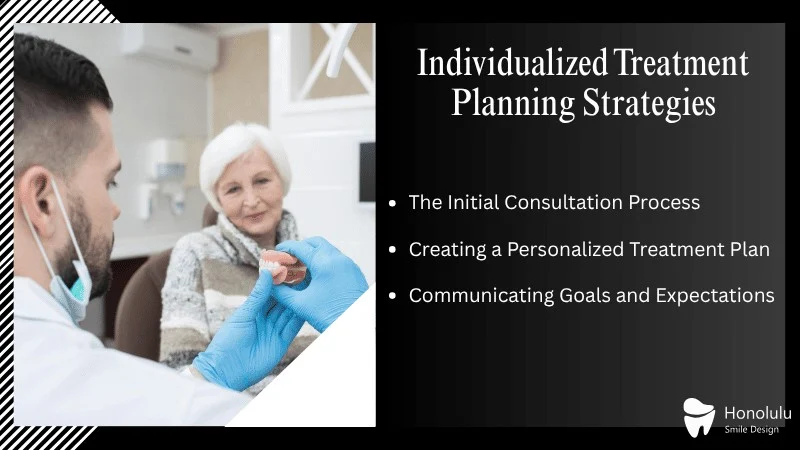
The Initial Consultation Process
Your first appointment should involve more than a quick look at your teeth. A thorough consultation includes a clinical examination, X-rays, photographs, and a detailed discussion about what you want to achieve.
The dentist should ask about your concerns, review your medical history, and explain how different factors might affect your treatment options.
A consultation that moves directly to a treatment recommendation without asking about your goals is a warning sign. The dentist needs to understand your expectations before suggesting any procedures.
This conversation helps identify whether cosmetic work, implants, or a combination of treatments will work best for your situation.
You should also expect the dentist to evaluate your bite function, gum health, and existing dental work. These factors affect how long your cosmetic results will last and whether implants will succeed.
Creating a Personalized Treatment Plan
After your consultation, the dentist should give you a written plan that lists each procedure, the order of appointments, how long treatment will take, and what everything costs.
The plan should explain why specific treatments are recommended for your case rather than offering a generic solution.
A complete treatment plan includes:
- Initial diagnosis with examination results
- All applicable treatment options
- Timeline for each procedure
- Itemized cost breakdown
- Alternative approaches if available
Some practices use digital smile design software to show you what your results might look like before treatment starts. This technology creates realistic simulations using your actual photographs, which helps you make better decisions about your care.
Communicating Goals and Expectations
You need to feel comfortable asking questions and expressing concerns throughout the planning process.
A good dentist will listen before making recommendations and provide written materials you can review at home. They should explain technical terms in plain language and never pressure you to make quick decisions.
Be clear about what bothers you most about your smile or missing teeth. Share photos of smiles you like or describe the changes you want to see.
The more specific you are about your goals, the better your dentist can design a personalized approach that addresses your unique needs.
If something in the treatment plan doesn’t make sense or seems unnecessary, ask about it. Your dentist should be able to explain the purpose of each procedure and how it supports your final result.
Modern Technology and Techniques for Superior Outcomes
The right dentist uses advanced tools that make cosmetic and implant procedures more accurate and comfortable.
Digital scanners eliminate messy impressions, 3D imaging helps plan exact implant placement, and newer materials create natural-looking results that last longer.
Digital Imaging and Intraoral Scanners
Intraoral scanners have replaced the uncomfortable impression trays that many patients dreaded. These small cameras capture detailed 3D images of your teeth in just minutes.
You won’t need to deal with goopy materials that can trigger your gag reflex.
Advanced dental technology gives your dentist a complete digital map of your mouth. This helps them design veneers, crowns, and other cosmetic work that fits perfectly the first time.
Digital imaging also lets you see what your smile will look like before any work begins. Your dentist can show you a preview of your new teeth on a screen.
This takes the guesswork out of procedures like teeth whitening, dental bonding, and gum contouring.
3D and Computer-Guided Implant Placement
Computer-guided implant placement uses 3D imaging to plan every detail before surgery begins. Your dentist can see exactly where nerves and bone are located. This prevents complications and helps implants heal faster.
The technology creates a surgical guide that acts like a GPS for your mouth. New dental implant technology in 2026 makes same-day restorations possible and reduces healing time through less invasive techniques.
You’ll experience less pain and swelling because the procedure is more precise. The implants are placed at the perfect angle and depth on the first try. This means fewer appointments and better long-term results for your new teeth.
Contemporary Materials: Porcelain Veneers, Crowns, and More
Modern porcelain materials look more natural than ever before. Today’s veneers and crowns match the translucency and color of real teeth. They also resist staining better than older materials.
Popular cosmetic materials include:
- Porcelain veneers – thin shells that cover front teeth
- All-ceramic crowns – strong caps that restore damaged teeth
- Zirconia – a metal-free option with superior strength
These materials are also more durable. Your veneers and crowns can last 15 years or longer with proper care. Innovations in modern dentistry have made treatments faster and more comfortable while delivering excellent results.
The new materials bond better to your natural teeth too. This means less tooth structure needs to be removed during preparation. You keep more of your healthy tooth while still getting beautiful results.
Ensuring a Comprehensive and Caring Patient Experience
A great cosmetic dentist or implant dentist should offer more than just technical skills.
Look for a practice that provides multiple treatment options, follows strict safety standards, and makes you feel heard and comfortable throughout your care.
Comprehensive Treatment Options from Smile Makeover to Implants

The right cosmetic dentist should give you options for your new smile rather than pushing a single solution. A quality practice offers a range of cosmetic dental procedures including:
- Teeth whitening
- Veneers and crowns
- Dental implants
- Full smile makeover services
- Restorative dentistry
Your needs are unique. Some patients want minor improvements while others need complete reconstructions.
A dentist who specializes in both cosmetic and restorative dentistry can create a treatment plan that fits your specific goals and budget.
Ask to see before-and-after photos of similar cases. This shows you what results to expect and proves the dentist has experience with your type of work.
Safety, Ethics, and Health Focus
Your health and safety should come first. Check that your dentist follows proper sterilization protocols and uses clean, modern equipment. The office should feel clean and well-organized.
A good practice will ask about your complete medical history. They need to know about medications you take, health conditions you have, and any allergies. This information helps them plan safe treatment and avoid complications.
Look for these safety signs:
- Staff wearing proper protective equipment
- Single-use tools when appropriate
- Clear explanations of risks and benefits
- Honest answers about what procedures can and cannot do
Ethical dentists will tell you when a procedure is not right for you. They focus on your long-term oral health rather than just selling expensive treatments.
Why Communication and Comfort Matter
Patient-centered care means the dentist treats you with empathy and respect from your first phone call through all follow-up visits. Schedule a consultation to meet the dentist and team before committing to treatment.
Does the dentist listen to your concerns? Do they explain procedures in ways you can understand? Can you ask questions without feeling rushed?
Pay attention to the office environment. Friendly staff and a welcoming space help you feel relaxed. Many modern practices offer comfort features like music, blankets, or sedation options for anxious patients.
The dentist should clearly explain costs, payment plans, and what your insurance covers. You deserve to know exactly what you’ll pay before any work begins.
Frequently Asked Questions
Finding the right dentist for cosmetic or implant work means understanding their qualifications, verifying their experience with specific procedures, reviewing their past results, and knowing exactly what to expect from start to finish.
What credentials and training should I look for in a dentist who does cosmetic or implant treatments?
You should look for dentists who have completed advanced training beyond dental school. Not all training programs are created equal, so you want someone who has invested in programs that include both classroom and hands-on learning.
For cosmetic work, prosthodontists have completed specialty training after dental school. General dentists can also perform cosmetic procedures if they’ve made the same educational commitment and focused their learning on creating beautiful smiles.
You should ask where they received their training and how many hours they completed. As a minimum, look for dentists with at least 40 hours of advanced training in the specific procedures you need.
For implant work, you want to verify they have specialized training in implant placement and restoration. Ask about their credentials and whether they regularly attend continuing education courses to stay current with new techniques and materials.
How can I tell if a dentist has enough experience with veneers, crowns, or dental implants?
You need to ask directly how many procedures of your specific type they have performed. Experience matters because it takes thousands of hours to achieve mastery in any dental procedure.
Ask how long their restorations have lasted for other patients. Beautiful smiles that last are the goal, not just results that look good on day one.
The lifespan of veneers, crowns, and implants varies based on the materials used, the dentist’s skill, and how well patients care for them.
You should also ask what patients can expect for longevity with their work. A dentist with solid experience will give you realistic timelines for how long your results should last before needing any additional work.
What before-and-after photos or case examples should I ask to see during a consultation?
You should ask to see before-and-after photos of patients who received the same treatment you’re considering. Dentists with real experience will have a portfolio of completed cases they can show you.
Look at multiple examples to get a sense of their style and quality. If you love what you see, that’s a solid indicator for your future smile. If you don’t love their results, that’s a good reason to keep looking.
You should also ask to see photos of patients wearing temporaries if your procedure will require them.
Many patients worry more about how temporaries will look than the final result, especially if they’ve had bad experiences in the past.
Ask for patient testimonials in addition to photos. These testimonials tell the story of how happy people have been with their new smiles and their overall experience with the dentist.
Which questions should I ask about the materials, brands, and options being used for my treatment?
You need to ask what specific materials and brands the dentist uses for your procedure. Different materials have different lifespans, appearances, and costs.
Ask why they recommend certain materials over others for your case. The dentist should explain the benefits and limitations of each option in terms you can understand.
For dental implants, ask about the implant brand and whether they use premium or budget options. You should understand what makes one brand different from another and how that affects your long-term results.
Ask about the laboratory they work with for crowns, veneers, or other restorations. High-quality labs produce better-fitting and more natural-looking results than lower-quality alternatives.
How do I compare costs, financing, and what’s included in the treatment plan without getting surprised later?
You should get a detailed written treatment plan that breaks down every cost. This should include the procedure itself, any preparatory work, temporaries, follow-up visits, and adjustments.
Ask what’s not included in the quoted price. Some practices charge separately for consultations, X-rays, sedation, or follow-up appointments that you might assume are included.
Find out what payment options and financing plans are available. Many dental offices offer payment plans or work with financing companies to help spread out the cost.
You should ask if they accept your insurance and what portion they estimate will be covered. Get this estimate in writing before you commit to treatment.
Ask about their refund or revision policy if you’re not satisfied with the results. Understanding this upfront prevents conflicts later.
What kind of aftercare, warranties, and follow-up visits should I expect after cosmetic or implant work?
You need to understand the complete aftercare plan before your procedure. Ask how many follow-up appointments are included and what happens at each one.
Find out what warranties or guarantees the dentist offers on their work. Some practices warranty veneers or implants for a certain number of years, while others don’t offer any guarantees.
Ask what restrictions you’ll have after the procedure. You need to know if you’ll need time off work, what foods to avoid, and how long the recovery period typically lasts.
For procedures requiring temporaries, ask about the dos and don’ts while wearing them. Be honest with yourself and your dentist about whether you can live with those restrictions.
You should understand what long-term maintenance your new smile will require. Ask about special cleaning techniques, recommended products, and how often you’ll need checkups to keep your results looking their best.