You may like the idea of clear aligners, but Invisalign does not work for everyone. Certain dental problems, bite issues, and daily habits can make this treatment a poor fit for you.
You are not a good candidate for Invisalign if you have severe bite problems, complex tooth movements, untreated gum disease or cavities, or if you cannot commit to wearing the aligners 20 to 22 hours a day.
Invisalign works best when your teeth and gums are healthy and your case is mild to moderate.
Before you choose clear aligners, you need to know what could limit your results. Understanding these factors helps you avoid delays, extra costs, and frustration later on.
Key Takeaways
- Invisalign works best for healthy teeth, mild to moderate cases, and consistent wear.
- Severe bite issues, active dental disease, or complex movements may require braces.
- Your habits, age, and dental development all affect whether Invisalign is right for you.
Understanding Invisalign Candidacy
Not everyone qualifies for Invisalign. Your dental health, bite type, and daily habits all affect whether clear aligners will work well for you.
What Makes an Ideal Candidate for Invisalign?
You are often a good candidate for Invisalign if you have mild to moderate spacing or crowding. Clear aligners work best when teeth need steady, controlled movement rather than major shifts.
Most ideal candidates for Invisalign have:
- Healthy gums
- No untreated cavities
- Fully developed adult teeth
- Minor to moderate bite problems
You also need strong daily habits. Invisalign trays must stay in your mouth 20–22 hours a day. If you remove them often or forget to wear them, treatment can stall.
Dentists often explain that mild to moderate alignment issues respond best to clear aligners.
Good oral hygiene matters just as much. You must brush and floss after meals before putting trays back in place. If you struggle with consistency, you may not be an ideal Invisalign candidate.
How Invisalign Differs From Traditional Braces
Invisalign uses removable clear aligners to shift your teeth in stages. You switch to a new set every one to two weeks, based on your treatment plan.
Traditional braces attach brackets and wires to your teeth. They stay in place at all times and apply constant pressure.
This difference affects who qualifies. Braces often work better for:
- Severe overbites or underbites
- Large tooth rotations
- Significant vertical movement
- Complex jaw alignment problems
Severe bite issues and complex movements may need fixed braces for better control.
You also manage Invisalign differently. You remove trays to eat and brush, while braces limit certain foods but require no daily removal. If you prefer flexibility and can stay disciplined, Invisalign may suit you. If you need stronger force and less responsibility, traditional braces may provide more predictable orthodontic treatment.
Dental and Oral Health Conditions That Exclude Invisalign
Your teeth and gums must be healthy before you start Invisalign. Problems like gum disease, untreated cavities, and poor oral hygiene can delay treatment or make it unsafe to move your teeth.

Active Gum Disease and Periodontal Problems
Nearly half of adults aged 30 and older show signs of periodontal (gum) disease, which can affect orthodontic treatment eligibility.
If you have active gum disease, you are not ready for Invisalign. Gum disease, also called periodontal disease, causes swollen gums, bleeding, and sometimes bone loss around your teeth.
When gums are inflamed or infected, they cannot support tooth movement safely. Moving teeth in this state can increase bone loss and lead to loose teeth. Some dental offices explain that active periodontal disease must be treated before aligners are used.
You may notice signs such as:
- Red or swollen gums
- Bleeding when brushing
- Gum recession
- Persistent bad breath
Your dentist or periodontist must treat and stabilize your gum health first. Once your gums are healthy and stable, you may qualify for Invisalign.
Untreated Cavities and Tooth Decay
Untreated cavities and active tooth decay also exclude you from Invisalign. Cavities weaken the tooth structure. If you place aligners over decayed teeth, you can trap bacteria against the enamel.
This setup can make decay worse. It can also cause pain or infection during treatment.
Dentists often delay Invisalign if you have untreated cavities or other dental problems.
You should complete:
- Fillings for cavities
- Treatment for deep decay
- Root canal therapy if needed
Healthy teeth respond better to controlled movement. Fixing decay first protects your long-term oral health and helps your aligners fit properly.
Poor Oral Hygiene Habits
Invisalign requires strong daily oral hygiene. Because the trays are removable, you must brush and floss after meals before putting them back in.
If you skip brushing or leave food on your teeth, you increase your risk of cavities and gum disease. Aligners can hold plaque and sugar against your teeth for hours.
You may not be a good candidate if you:
- Rarely brush twice a day
- Do not floss daily
- Forget to clean your aligners
- Drink sugary drinks while wearing trays
Clear aligners demand personal responsibility. If you improve your oral hygiene habits before treatment, you protect your teeth and increase your chances of success.
Contact our team to learn whether you qualify under the Invisalign candidacy requirements.
Complex Orthodontic and Bite Issues
If you have major bite issues or severe misalignment, clear aligners may not give you enough control. Some tooth and jaw problems need stronger and more precise force than removable trays can provide.

Severe Overbite, Underbite, and Malocclusion
A small overbite or underbite can often improve with aligners. But severe bite issues are different.
If you have a deep overbite, your top teeth may fully cover your bottom teeth. This can wear down enamel and strain your jaw. A strong underbite can shift your lower jaw forward and affect how you chew and speak.
Serious malocclusion often involves the position of the jaw, not just the teeth. Clear trays move teeth, but they cannot fully correct major jaw problems. In these cases, braces may offer better control.
You may also need rubber bands, special appliances, or even jaw surgery. Aligners alone may not create stable results when your bite is far out of place.
Severe Misalignment and Complex Tooth Movements
Invisalign works well for mild to moderate crowding. It becomes less predictable when teeth need large or difficult movements.
Severe misalignment can include teeth that are badly rotated, pushed high into the gums, or tipped at sharp angles. These cases often require strong, steady pressure that fixed braces provide better.
Complex tooth movements may include:
- Large rotations
- Major vertical movement (moving teeth up or down)
- Closing very wide gaps
- Shifting teeth long distances
Some orthodontists note that aligners have limits with rotated or misplaced teeth, especially in harder cases.
If your teeth need heavy force or detailed control, braces may move them more safely and efficiently.
Lifestyle and Behavioral Limitations
Your daily habits play a big role in whether Invisalign works for you. Clear aligners only succeed when you wear them as directed and keep both the trays and your teeth clean.
Poor Compliance With Aligner Wear
Invisalign aligners must stay in your mouth 20–22 hours a day. You should remove them only for meals, drinks other than water, brushing, and flossing.
If you often forget to put trays back in, treatment slows down. Teeth can even shift backward, which adds time and cost.
You may struggle with Invisalign if you:
- Remove trays for long periods
- Snack often throughout the day
- Travel often without a set routine
- Lose small items easily
Clear aligners work best for people who follow directions closely. If you prefer a treatment that stays in place all day without effort, fixed orthodontic appliances like braces may fit your lifestyle better.
Difficulty Maintaining Aligner and Dental Care
Good oral hygiene is not optional during Invisalign treatment. Food and plaque can get trapped between your teeth and the trays.
If you skip brushing or flossing, you increase your risk of:
- Cavities
- Gum swelling
- Bad breath
- Stained aligners
You must brush after every meal before placing your aligners back in. You also need to rinse and clean the trays daily to prevent buildup.
Patients with poor oral hygiene habits often struggle with clear aligners. Some may face delays if they develop gum problems or tooth decay during treatment.
Dentists often advise that people with weak hygiene habits may not qualify.
If you feel unsure about keeping up with daily cleaning, talk with your orthodontist before choosing removable orthodontic appliances.
Age, Dental Development, and Structural Considerations
Your age and how your teeth and jaw have developed play a big role in whether Invisalign will work well for you. Baby teeth, missing teeth, implants, and jaw structure can all limit what clear aligners can safely fix.
Presence of Baby Teeth or Incomplete Jaw Development
If you still have baby teeth, Invisalign may not be the right choice. Clear aligners work best when all permanent teeth have come in and your jaw has mostly finished growing.
Many children do not lose all baby teeth until around ages 12 to 13. Invisalign is usually not recommended for young children with mixed baby and adult teeth. Braces often give orthodontists more control during this early growth stage.
Jaw growth also matters. If your jaw is still developing, tooth movement may not be stable. Aligners cannot guide jaw growth the same way some traditional orthodontic tools can.
You also need the discipline to wear aligners 20 to 22 hours each day. Younger children often struggle with this level of responsibility, which can delay results.
Missing Teeth, Implants, and Restorations
If you have missing teeth, Invisalign may not move your teeth as planned. Aligners rely on nearby teeth for support. Gaps can reduce control over certain movements.
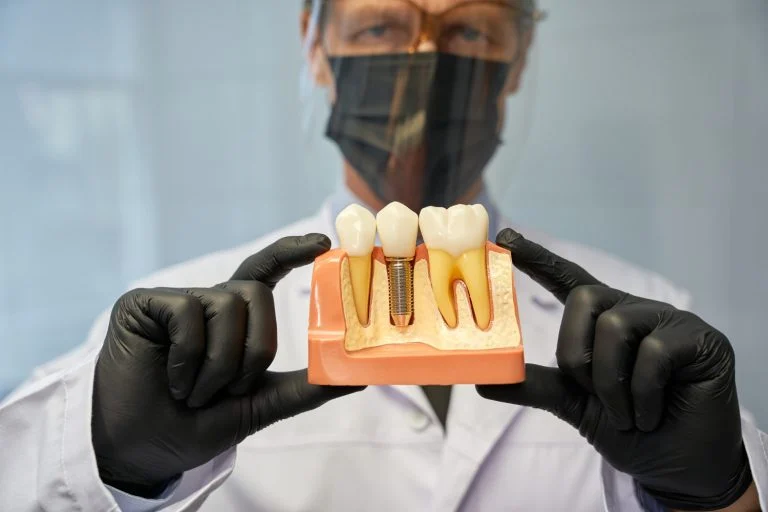
Dental implants add another challenge. Implants are fixed in the bone and do not move. If you already have implants, your orthodontist must plan around them. Invisalign cannot shift an implant the way it can move a natural tooth.
Large crowns, bridges, or other restorations can also affect how well aligners fit. In some cases, attachments or changes to your treatment plan may help. In others, braces may offer better control.
You need a full exam and X-rays so your provider can check bone levels, tooth roots, and the position of any implants before starting treatment.
Jaw or Skeletal Discrepancies Requiring Surgery
If you have a severe bite problem caused by jaw position, aligners alone may not fix it. This includes strong underbites, overbites, or crossbites tied to skeletal issues rather than just tooth alignment.
Mild to moderate bite problems may respond to aligners. However, more advanced cases sometimes require braces or even surgical orthodontics. Invisalign has limits when jaw bones do not line up correctly.
Surgical orthodontics combines braces or aligners with jaw surgery to correct bone structure. If your orthodontist sees a large skeletal gap between your upper and lower jaws, they may refer you to a specialist.
In these cases, clear aligners alone may improve the look of your teeth but not correct the root cause of the bite problem.
Other Factors That Limit Invisalign Suitability
Some limits have less to do with tooth position and more to do with daily habits and finances. Teeth grinding and treatment cost can both affect how well Invisalign works for you.
Severe Bruxism and Teeth Grinding

If you have bruxism, you clench or grind your teeth, often at night. This constant pressure can crack or warp clear aligners.
Invisalign trays are made from strong plastic, but they are still removable appliances. Heavy teeth grinding can wear them down faster than expected. You may need frequent replacements, which can slow your progress.
Grinding can also cause:
- Jaw pain
- Headaches
- Tooth wear or fractures
- Gum strain
If your grinding is severe, fixed braces may hold up better under pressure. In some cases, your dentist may suggest treating the bruxism first with a night guard or other therapy.
You should tell your orthodontist if you grind your teeth. They need this detail to plan safe and stable treatment.
Cost and Insurance Limitations
The Invisalign cost can also limit whether it is the right choice for you. Clear aligners often cost about the same as braces, but fees vary based on case complexity and length of treatment.
Some dental insurance plans cover part of orthodontic care. Others offer limited benefits for clear aligners. You should check your policy before you commit.
Cost may increase if you:
- Lose aligners and need replacements
- Require refinements or extra trays
- Switch to braces mid-treatment
A consultation helps you compare options.
You need a plan that fits both your dental needs and your budget.
Frequently Asked Questions
Some dental problems make clear aligners less effective or unsafe. Your age, oral health, and the type of tooth movement you need all play a role in whether Invisalign will work for you.
What dental issues are not treatable with Invisalign?
Invisalign may not work well if you have severe tooth rotations, large vertical tooth movements, or teeth that are very tipped. These movements often need the steady force that braces provide.
If you have active gum disease, untreated cavities, or bone loss, you need treatment first. Moving teeth in an unhealthy mouth can cause more damage.
Severe jaw alignment problems may also require other appliances or surgery, not just clear trays.
Can certain bite problems prevent me from getting Invisalign?
Yes. Severe overbites, underbites, crossbites, and open bites can limit your options.
Some complex bite cases respond better to braces because they allow more control over how teeth and jaws shift.
Mild to moderate bite issues often work well with aligners, but extreme cases may not.
Are there age restrictions for Invisalign treatment?
Invisalign works best for teens and adults who have all their permanent teeth. Younger children usually need other types of orthodontic care first.
Your dentist or orthodontist will check if your teeth and jaw have finished growing. Growth affects how well aligners can move your teeth.
There is no upper age limit as long as your gums and bone are healthy.
What if my teeth have crowns or veneers, can I still use Invisalign?
You can often use Invisalign if you have crowns or veneers. The aligners fit over them just like natural teeth.
However, your dentist must check that the restorations are secure. Weak or loose dental work may need repair before treatment.
Large bridges can limit tooth movement because the connected teeth cannot shift on their own.
Are there conditions that disqualify someone from being an Invisalign candidate?
Poor oral hygiene can disqualify you. If you forget to brush, floss, or clean your trays, you raise your risk of cavities and gum problems.
You must also wear aligners 20–22 hours each day. If you remove them often or forget to put them back in, treatment will not stay on track.
Severe teeth grinding can also damage trays and slow progress.
Can the complexity of a dental case affect Invisalign eligibility?
Yes. The more complex your case, the harder it is to treat with clear aligners alone.
Large gaps, severe crowding, or major jaw differences may need braces or a mix of treatments. Some people start with braces to handle difficult movements and then switch to aligners.
Your orthodontist will use exams and digital scans to decide if Invisalign can handle your specific tooth movements.