Many adults think they missed their chance to straighten their teeth because they didn’t get braces as teenagers. You might worry that orthodontic treatment is only for kids or that your age makes you a poor candidate. The truth is quite different.
It’s not too late to get Invisalign for adults over 30, and age is not a barrier to achieving a straighter smile.
More than one-third of Invisalign patients in the United States are adults over 40, proving that adult orthodontics has become increasingly popular.
Whether you’re in your 30s, 40s, 50s, or beyond, your teeth can still be straightened as long as your gums and bone structure are healthy.
The best time to start adult Invisalign treatment isn’t based on your birth year. It’s based on your readiness to commit to improving your smile.
Clear aligners offer a discreet way to correct crooked teeth, close gaps, and fix bite issues without the look of traditional metal braces.
Key Takeaways
- Adults over 30 can successfully straighten their teeth with Invisalign if their gums and bones are healthy
- Clear aligners provide a discreet orthodontic treatment option that fits into professional and personal adult lifestyles
- Treatment typically takes 12 to 18 months and addresses issues like crowding, gaps, and misalignment
Why Age Is Not a Barrier to a Straighter Smile
Many adults worry they’ve missed their chance for orthodontic treatment, but modern clear aligner technology works effectively at any adult age.
Your teeth can move and respond to treatment, whether you’re 35, 50, or older, and Invisalign for adults addresses the specific needs of mature patients.
Is There an Age Limit for Invisalign?
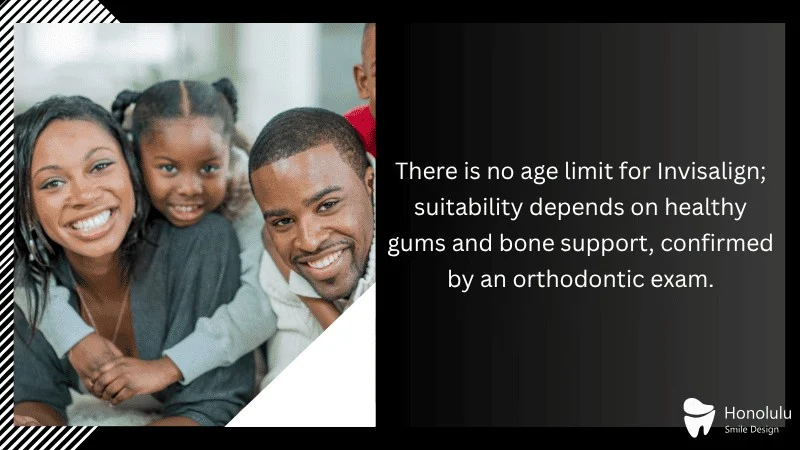
There is no upper age limit for Invisalign treatment. Invisalign can treat patients as young as 6 and adults age 50 and over, making it one of the most accessible orthodontic options available.
Your eligibility depends on your oral health rather than your age. As long as you have healthy gums and sufficient bone structure to support tooth movement, you can benefit from clear aligner treatment.
The key requirement is maintaining good dental health throughout the process. Your orthodontist will evaluate your teeth, gums, and jawbone before starting treatment to ensure you’re a good candidate.
Common conditions treated with adult Invisalign include:
- Crowded teeth
- Gaps between teeth
- Overbites
- Underbites
- Crossbites
Even if you had braces as a teenager and your teeth shifted over time, you can still pursue orthodontic treatment as an adult.
Biological Considerations for Adults
Adult teeth move differently than children’s teeth, but they still respond well to orthodontic treatment. The process takes longer in adults because your bone density is greater and your jaw has stopped growing.
Your treatment timeline typically ranges from 12 to 24 months, depending on how much correction you need. Some adults see results in as little as six months for minor adjustments.
Bone health plays an important role in successful treatment. Your jawbone needs adequate density to support tooth movement without causing damage or instability.
Important factors your orthodontist evaluates:
- Gum health and periodontal condition
- Bone density around tooth roots
- Previous dental work like crowns or implants
- Jaw joint function
Adults often have existing dental work that requires special planning. Your treatment plan will account for crowns, bridges, or missing teeth to achieve the best results.
Motivations for Adults to Seek Treatment
Adults choose orthodontic treatment for both health and aesthetic reasons. Straighter teeth are easier to clean, which reduces your risk of cavities and gum disease as you age.
Misaligned teeth can cause jaw pain, headaches, and uneven tooth wear. Correcting these issues improves your comfort and protects your teeth from unnecessary damage.
The benefits of straightening teeth as an adult include improved oral hygiene and relief from jaw discomfort. By following proper oral health tips, you’ll find it easier to brush and floss when your teeth are properly aligned.
Many adults report increased confidence after treatment. A straighter smile can positively impact your professional and social interactions, making you feel more comfortable in photos and meetings.
Career advancement is another common motivation. Adults in client-facing roles often seek treatment to enhance their professional appearance without the visibility of traditional braces.
Comparing Orthodontic Choices for Adults
Adults have two main options for straightening teeth: clear aligners like Invisalign and traditional metal braces. Each treatment works differently and fits different lifestyles, budgets, and dental needs.

Clear Aligners vs. Traditional Braces
Clear aligners are nearly invisible plastic trays that fit over your teeth. You switch to a new set every one to two weeks as your teeth gradually shift into place.
Traditional braces use metal brackets glued to your teeth with wires running through them. Your orthodontist tightens these wires during regular appointments to move your teeth.
Key Differences:
| Feature | Clear Aligners | Traditional Braces |
| Appearance | Nearly invisible | Highly visible |
| Removability | Take out for eating and cleaning | Fixed to teeth |
| Food restrictions | None | Avoid hard and sticky foods |
| Office visits | Every 6-8 weeks | Every 4-6 weeks |
Traditional braces work well for complex dental issues like severe crowding or major bite problems. They give your orthodontist precise control over tooth movement, including vertical shifts and rotations.
Clear aligners handle mild to moderate cases effectively. They might struggle with severe rotations or complex bite corrections.
How Removable Aligners Fit Adult Lifestyles
Removable aligners offer flexibility that appeals to working adults. You can take them out for important meetings, presentations, or social events.
This removability makes eating easier. You don’t need to worry about food getting stuck in brackets or avoiding certain foods. Just remove your aligners, eat normally, and put them back in.
Oral hygiene stays simple with removable aligners. You brush and floss your teeth the same way you always have. Metal braces make cleaning harder and increase your risk of cavities if you don’t clean properly.
The catch is discipline. You need to wear your aligners 20 to 22 hours each day for treatment to work. Skipping wear time delays your progress and extends your treatment.
Many adults find this trade-off worthwhile. The aesthetic appeal matters to professionals who want straighter teeth without the obvious look of braces.
Understanding Digital Treatment Planning
Digital treatment planning uses 3D imaging to map out your entire treatment before it starts. Your orthodontist takes digital scans of your teeth instead of messy impressions.
These scans create a virtual model showing how your teeth will move at each stage. You can see what your smile will look like after treatment finishes.
The technology helps your orthodontist plan precise movements. They can identify potential problems and adjust the plan before you even start wearing aligners.
Digital planning also makes the process more predictable. You’ll know roughly how long treatment will take and how many aligner sets you’ll need. This clarity helps you plan around your schedule and budget.
Key Benefits of Invisalign for Adults Over 30
Clear aligners offer specific advantages that make them particularly well-suited for adults with busy lives and professional responsibilities. These benefits address both practical concerns and long-term dental health goals.
Discreet Appearance and Increased Confidence
The clear plastic design means most people won’t notice you’re wearing aligners during conversations or meetings. This makes Invisalign an ideal choice for adults who want to improve their smile without drawing attention to their treatment.
You can attend work presentations, social events, and video calls without feeling self-conscious about metal brackets and wires. The removable trays let you take them out for important photos or special occasions.
Many adults report feeling more confident once they start treatment because they know they’re working toward a better smile. Unlike traditional braces that can make some people feel like they’re reliving their teenage years, clear aligners fit seamlessly into adult life.
Convenience in Daily Life
You can remove your aligners when you eat, which means no dietary restrictions. There’s no need to avoid popcorn, apples, or sticky foods that create problems with metal braces.
Invisalign aligners require fewer office visits than traditional braces, making them easier to fit into a busy work schedule. Most check-ups happen every 6-8 weeks instead of monthly adjustments.
The removable design also makes travel simpler. You don’t need special tools or worry about broken brackets during trips.
Impact on Oral Health and Hygiene
Taking out your aligners lets you brush and floss normally, which helps maintain better dental health during treatment. With traditional braces, food particles easily get trapped around brackets and wires.
Misaligned teeth can lead to uneven wear and jaw discomfort over time. Straightening your teeth addresses these issues before they create bigger problems.
Properly aligned teeth are easier to clean thoroughly, reducing your risk of cavities and gum disease as you age. The treatment also corrects bite issues that might cause jaw pain or headaches.
Common Treatment Concerns and Solutions
Adults considering clear aligner treatment often wonder how long the process takes and whether they can handle the daily commitment.
Treatment timelines average around 22 months, though comfort levels improve quickly as you adapt to wearing removable aligners for most of the day.
Treatment Timelines for Adults
The average adult Invisalign treatment takes about 22 months to complete. Your specific timeline depends on how crooked your teeth are now and any other dental conditions you might have.
Adults typically need longer treatment periods than teenagers. This happens because adult bones and teeth are more mature with greater bone density. Your teeth still move when constant pressure is applied, but the process takes a bit more time.
You’ll change your aligners about every two weeks. Each new set continues the gentle pressure that shifts your teeth into their proper positions.
Some cases with minor corrections might finish in 12 months, while complex alignment issues could take up to 24 months or longer.
Comfort, Pain, and Managing Side Effects
Clear aligner treatment causes minimal discomfort compared to traditional braces. You might feel pressure and soreness for the first few days after switching to a new set of aligners. This sensation means the aligners are working.
Over-the-counter pain relievers help manage any tenderness during the adjustment period. Most people find the discomfort fades within three to four days of each aligner change.
Your mouth adapts quickly to wearing the trays. Some people experience temporary changes in their speech for the first week, but this resolves as you get used to the aligners.
You can also remove them for important meetings or events if needed.
Existing Dental Work and Orthodontic Planning
Your orthodontist works with your dentist to create a treatment plan tailored to your specific needs. Adults often have crowns, bridges, fillings, or other dental work that requires special consideration.
Clear aligner treatment accounts for existing dental work like crowns, bridges, and implants during planning.
Your provider evaluates your bone density and gum health to ensure orthodontic treatment is safe and effective. Some dental issues need to be addressed before starting aligners.
Missing teeth, receding gum lines, and misshapen teeth are common in adult patients. These conditions don’t prevent treatment, but they may require additional steps or coordination between specialists during your Invisalign consultation.
Building Good Compliance and Habits
You need to wear your aligners for 22 hours each day. You should only remove them for eating and brushing your teeth. If you don’t wear them enough, you might get sore gums and teeth or fall behind on your treatment progress.
Keys to successful treatment:
- Wear aligners during all waking and sleeping hours except meals
- Brush teeth before putting aligners back in
- Clean aligners daily with gentle soap and water
- Keep your aligner case with you at all times
You might need to adjust your eating habits if you like snacking throughout the day. Sticking to specific mealtimes helps you wear the aligners for the recommended hours.
Your success with aligners depends on how dedicated you are to the daily routine.
Set phone reminders to help you stay on track with wearing times. Many people find that making aligner care part of their morning and evening routines makes compliance easier.
What to Expect From Your Invisalign Journey
The Invisalign journey starts with a consultation where your orthodontist evaluates your teeth and creates a custom treatment plan.
Not everyone is suited for clear aligner treatment, so your provider will assess factors like bone health and existing dental work to determine if you’re a good candidate.
The Invisalign Consultation Process
Your first step is scheduling an Invisalign consultation with a trained provider. During this visit, your orthodontist will examine your teeth, gums, and jaw alignment.
They’ll take digital scans or impressions of your mouth to create a 3D model of your teeth.
This model helps your provider design a personalized treatment plan. You’ll see a virtual preview of how your teeth will move over time.
Your orthodontist will also discuss the expected treatment length, which typically ranges from 12 to 18 months for most cases.
The consultation is your chance to ask questions about costs, insurance coverage, and daily wear requirements. Most patients need to wear their aligners 20 to 22 hours per day for best results.
Assessing Candidacy: Who Is a Good Fit?
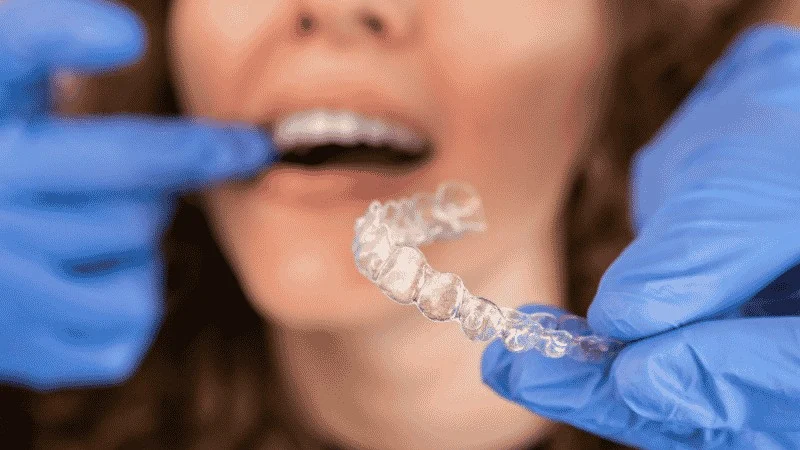
Adults over 30 can be excellent candidates for Invisalign treatment, though some factors affect eligibility. Your orthodontist will check for healthy gums and adequate bone density to support tooth movement.
You’ll need to address any cavities, gum disease, or other dental issues before starting treatment.
People with severe bite problems or complex cases may need traditional braces instead. Missing teeth, dental implants, or bridges can complicate treatment but don’t automatically disqualify you.
Your provider evaluates these factors during your consultation.
Good candidates are also committed to wearing their aligners as directed and maintaining proper oral hygiene throughout treatment.
Types of Cases Treated: Crowding, Gaps, Bite Alignment
Invisalign effectively addresses many common dental concerns in adults. Crooked teeth and crowded teeth respond well to clear aligner treatment, as the aligners gradually shift teeth into proper positions.
Gaps between teeth can also be closed through consistent aligner wear.
Bite alignment issues like overbites, underbites, and crossbites are treatable with Invisalign. Open bites, where upper and lower teeth don’t meet properly, can also be corrected. Each case requires a customized approach based on the severity of misalignment.
Your orthodontist determines which attachments or rubber bands you might need to address your specific concerns. More complex cases may take longer to complete than simpler spacing or crowding issues.
Frequently Asked Questions
Adults over 30 often have similar questions about starting Invisalign treatment. Most people want to know if it will work for them, what the process involves, and how much it costs.
Does Invisalign work well for people in their 30s and older?
Yes, Invisalign works well for adults after age 30 in most cases. Your teeth can still move at any age as long as your gums and jawbone are healthy.
The process may take slightly longer than it does for teenagers because bone remodeling slows down as you get older. However, this doesn’t mean the results are any less effective.
About 1 in 3 orthodontic patients today is over 18 years old. You’re not alone in seeking treatment as an adult.
How can I tell if I’m a good candidate for Invisalign as an adult?
Your readiness to commit to treatment matters more than your age. If you have healthy gums and bone structure, you’re likely a good candidate whether you’re 32 or 62.
Invisalign can fix many common issues like crooked teeth, gaps, crowding, and bite problems. Your dentist will need to examine your teeth and take X-rays to make sure Invisalign is right for your specific case.
Some severe bite issues or complex orthodontic problems might need traditional braces instead. A consultation with an Invisalign provider will help you understand your options.
What are the main stages of Invisalign treatment, and how long does each stage last?
Your treatment starts with a consultation where your dentist creates a digital scan of your teeth. This typically takes one appointment and helps map out your treatment plan.
Next, you receive your custom aligners and start wearing them for 20 to 22 hours per day. You’ll switch to a new set of aligners every one to two weeks as your teeth gradually shift.
Check-up appointments happen every six to eight weeks so your dentist can monitor your progress. Most adults complete treatment in 12 to 18 months, though some cases take longer depending on how much correction you need.
The final stage involves wearing retainers to keep your teeth in their new positions. You’ll wear retainers full-time at first, then only at night.
How does Invisalign compare to traditional braces for adults in terms of comfort and results?
Invisalign aligners are smooth plastic that won’t irritate your cheeks and gums like metal brackets can. You can remove them to eat, brush, and floss, which makes daily life easier.
Traditional braces work faster for some complex cases and don’t require you to remember to wear them. They stay in your mouth 24/7, so there’s no risk of forgetting to put them back in.
Both options can give you excellent results when used correctly. Invisalign offers more flexibility and a less noticeable appearance, while braces may be better for severe alignment issues.
Can Invisalign help with TMJ symptoms or jaw discomfort, or is it only for straightening teeth?
Invisalign primarily straightens teeth and corrects bite alignment. When your bite improves, some people notice their jaw pain or TMJ symptoms get better.
However, Invisalign isn’t specifically designed to treat TMJ disorders. If you have jaw pain, you should talk to your dentist about whether fixing your bite might help or if you need separate TMJ treatment.
Some cases of jaw discomfort come from teeth grinding or clenching, which Invisalign aligners can actually help protect against while you wear them. Your dentist can evaluate your specific situation during a consultation.
What’s a typical price range for Invisalign, and how do I know if a quote is fair?
Invisalign treatment typically costs between $3,000 and $8,000 for adults. The exact price depends on how complex your case is and how long treatment will take.
Simple cases with minor adjustments cost less than complex cases that need extensive correction. Your location also affects the price, as dental costs vary by region.
Most dental offices offer payment plans that let you spread the cost over several months. Some dental insurance plans cover part of the cost, usually up to $1,500 to $3,000.
To know if a quote is fair, get consultations from two or three Invisalign providers in your area. Ask what’s included in the price, like retainers and follow-up visits, so you can compare accurately.