A root canal can save a damaged tooth, but sometimes the treatment doesn’t work as planned. When a root canal fails, you’re left wondering what comes next and how to restore your smile.
If your root canal has failed, you have several tooth replacement options, including dental implants, bridges, dentures, and in some cases, retreatment procedures that might still save your natural tooth.
The right choice depends on your oral health, budget, and long-term goals for your smile.
Understanding different replacement tooth options helps you make an informed decision with your dentist. Each replacement method has different benefits, costs, and processes that affect your daily life and future dental care.
Key Takeaways
- Dental implants are a common replacement choice after a failed root canal because they function like natural teeth
- Nonsurgical retreatment is the first-line option before considering extraction and replacement
- Bridges and dentures offer alternatives for patients who cannot get implants or prefer different solutions
Understanding Root Canal Treatment and Its Limits
Root canal treatment saves infected teeth by removing damaged pulp and sealing the tooth, but it doesn’t always work perfectly. Infections can return, procedures can miss hidden canals, and teeth may fail to heal properly over time.
How Root Canals Work
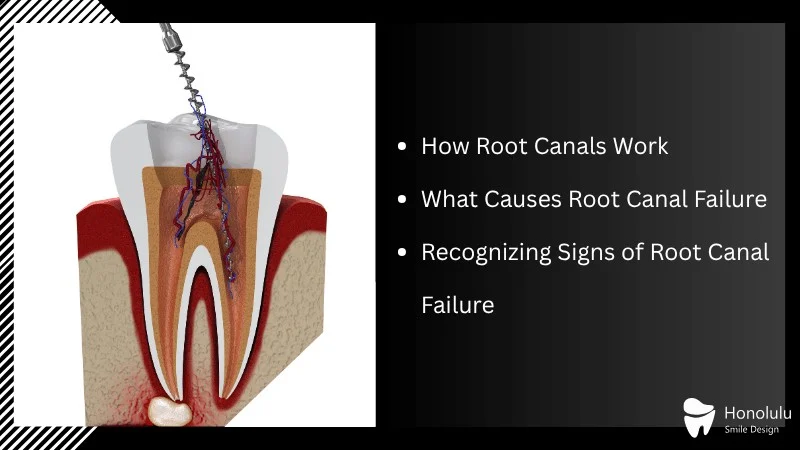
Root canal treatment removes the infected pulp from inside your tooth. Your dentist drills a small opening in the crown of your tooth to access the pulp chamber.
The pulp contains nerves, blood vessels, and connective tissue. When it becomes infected or damaged, you need treatment to save the tooth. Your dentist uses special files to clean out all the infected material from the canals inside your tooth roots.
After cleaning, your dentist fills the empty space with a rubber-like material called gutta-percha. A temporary or permanent filling seals the opening.
Most root canal-treated teeth need a crown to protect them from breaking since they become more brittle without living pulp inside.
What Causes Root Canal Failure
Your root canal can fail when bacteria remain in the tooth or get back inside after treatment. Complex canal anatomy makes it hard for dentists to clean every tiny space where bacteria hide.
New decay around the crown or filling lets bacteria enter the sealed tooth again. Cracks in the tooth can also create pathways for infection. Sometimes the original filling material doesn’t seal completely to the canal walls.
A delayed crown placement leaves your tooth exposed to bacteria for too long.
Some teeth have extra canals that go undetected during the first treatment. Root canal retreatment becomes necessary when these issues prevent proper healing.
Recognizing Signs of Root Canal Failure
Pain when you bite down often signals that your root canal treatment didn’t work. You might feel sensitivity to hot or cold temperatures even months after your procedure.
Swelling in your gums near the treated tooth indicates ongoing infection. A pimple-like bump on your gum that drains pus is called a fistula and shows active infection. Your tooth may feel loose or appear darker than surrounding teeth.
Signs of root canal failure can appear weeks, months, or even years after your initial treatment. Some failed root canals cause no symptoms at all, which is why regular dental checkups matter.
Your dentist can spot problems on X-rays before you feel any discomfort.
Visit our clinic in Honolulu, HI, to learn how dental implants can help protect your jawbone.
Evaluating Next Steps After a Failed Root Canal
Your dentist needs to check several key factors before recommending whether to save or replace your tooth.
The health of your remaining tooth structure, jawbone condition, and any active infection will determine which treatment path works best for you.
Assessing Tooth Condition and Jawbone Health
Your dentist will take X-rays and perform a clinical exam to see how much healthy tooth structure remains. If you’ve lost significant tooth material from decay or previous dental work, saving the tooth might not be possible.
Jawbone health matters just as much as the tooth itself. Chronic infection from a failed root canal can cause bone loss around the tooth root. Your dentist will measure bone density in the area to see if it can support future treatments.
Key factors your dentist evaluates:
- Amount of remaining tooth structure above the gum line
- Depth and severity of any cracks in the tooth
- Bone density and volume in the surrounding jawbone
- Condition of nearby teeth and gum tissue
- Location of the tooth in your mouth
Good bone density is essential if you’re considering a dental implant later. The implant needs strong bone for osseointegration, which is when the titanium post fuses with your jawbone.
Without enough bone volume, you might need a bone graft before implant placement.
When Is Tooth Extraction Necessary?
Tooth extraction becomes necessary when the tooth cannot be saved through retreatment or surgery. You’ll need extraction if the tooth has a vertical root fracture that extends below the gum line.
Severe bone loss around the tooth root often makes saving it impossible. If the infection has destroyed too much supporting bone, the tooth won’t have stable foundation even after treatment.
Common reasons for extraction:
- Fractures that run the length of the root
- Extensive decay that reaches deep below the gums
- Insufficient tooth structure for a crown
- Bone loss exceeding 50% around the root
Sometimes extraction is the most practical choice even when other options exist. A tooth with a poor long-term outlook might cost more to save than to replace with an implant or bridge.
Managing Persistent Infection
Active infection must be eliminated before any replacement option can succeed. Your dentist may prescribe antibiotics to control the infection temporarily, but this doesn’t solve the underlying problem.
Gum health plays a critical role in fighting infection. Inflamed or diseased gums can harbor bacteria that compromise both natural teeth and future dental work. Your dentist will assess your gum tissue for signs of periodontal disease.
If you choose extraction, the infected tooth and surrounding tissue will be removed together. The extraction site needs complete healing before placing an implant, which typically takes 3-4 months. During this time, new bone fills the empty socket.
For patients keeping their tooth, retreatment or endodontic surgery aims to remove infected tissue and seal the root canals properly. Your endodontist will clean out all canals, including any that were missed during the first procedure.
Dental Implants: The Gold Standard for Tooth Replacement
When a root canal fails and extraction becomes necessary, dental implants offer the most complete and durable solution for replacing your missing tooth.
They restore both the visible crown and the root beneath your gumline, preserving your jawbone and maintaining your natural facial structure.
What Is a Dental Implant?
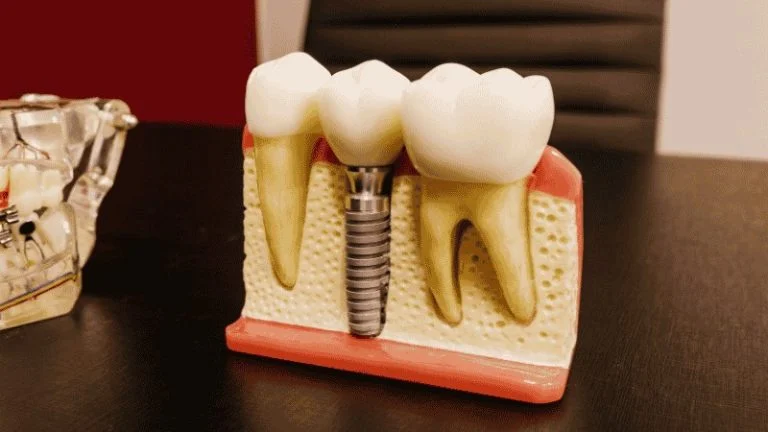
A dental implant is a small titanium post that your dentist surgically places into your jawbone to replace the root of your missing tooth. The titanium post acts as an artificial tooth root that supports a crown, giving you a replacement that looks and functions like your natural teeth.
The implant consists of three main parts. The titanium post anchors into your jawbone below the gumline. An abutment connects to the top of the post once healing is complete. Finally, a custom crown attaches to the abutment to complete your restoration.
Unlike dentures or bridges that only replace the visible part of your tooth, dental implants replace the entire tooth structure from root to crown.
This complete replacement is why dental implants are considered the benchmark for tooth replacement.
The Dental Implant Procedure and Timeline
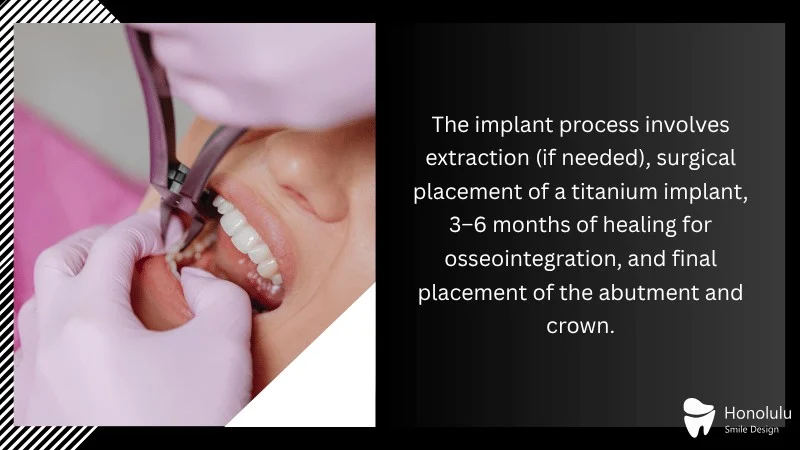
The implant procedure typically happens in several stages over a few months. Your dentist will first extract your failed root canal tooth if it’s still present.
Some patients qualify for immediate implant placement on the same day as extraction, while others need to wait for the extraction site to heal first.
During implant placement, your dentist makes a small opening in your gum tissue and carefully drills into your jawbone. They insert the titanium post into this prepared space and close the gum tissue over it.
You’ll receive local anesthesia during this procedure, so you shouldn’t feel pain.
The healing period between implant placement and receiving your final crown usually takes three to six months. During this time, your jawbone grows around the implant in a process called osseointegration.
Once healing is complete, your dentist attaches the abutment and crown to finish your restoration.
Bone Grafting and Osseointegration
If you’ve experienced bone loss after your failed root canal, you may need a bone graft before receiving your dental implant. Bone grafting adds material to areas where your jawbone lacks sufficient density or volume to support an implant.
This procedure strengthens your jawbone and creates a solid foundation for the titanium post.
The bone graft material can come from your own body, a donor, or synthetic sources. Your dentist places this material into the areas of bone loss and allows several months for it to integrate with your existing bone.
Once your jawbone reaches adequate strength and volume, you can proceed with implant placement.
Osseointegration is the process where your jawbone fuses with the titanium post. Your bone cells grow directly onto the implant surface, creating a stable bond that can last for decades.
This biological connection is what gives dental implants their exceptional strength and makes them superior to other replacement options.
The success of osseointegration depends on several factors:
- Adequate bone density at the implant site
- Proper implant placement by your dentist
- Good oral health and hygiene habits
- Avoiding smoking during the healing period
- Following post-operative instructions carefully
Benefits of Dental Implants After Root Canal Failure
Getting a dental implant after root canal failure provides significant advantages over bridges or dentures. The implant prevents bone loss by stimulating your jawbone just like a natural tooth root does.
Without this stimulation, your jawbone gradually shrinks through a process called bone resorption.
Bone preservation maintains your facial structure and prevents the sunken appearance that often develops after tooth loss.
Your remaining teeth also stay in their proper positions because the implant fills the gap and stops neighboring teeth from shifting.
The long-term durability of dental implants makes them a cost-effective choice despite higher upfront costs.
Many implants last 25 years or longer with proper care, while bridges typically need replacement after 10 to 15 years. You care for your implant by brushing and flossing just like your natural teeth.
Your final restoration provides a natural look and feel that’s virtually indistinguishable from your other teeth. The crown is custom-made to match the color, shape, and size of your surrounding teeth.
You can eat your favorite foods without worry because dental implants restore full chewing power.
The benefits of dental implants extend beyond just replacing your missing tooth:
| Benefit | Description |
| Bone health | Prevents jawbone deterioration and maintains facial structure |
| Stability | No slipping or movement like removable dentures |
| Convenience | No removal needed for cleaning or sleeping |
| Adjacent teeth | Doesn’t require grinding down healthy neighboring teeth |
| Oral health | Easier to clean than bridges and promotes better gum health |
Alternative Tooth Replacement Options
When a root canal fails and extraction becomes necessary, you have several ways to fill the gap left behind.
Bridges and partial dentures offer different advantages depending on your specific situation, while in some cases, retreatment or surgery might still save your tooth.
Dental Bridges: Pros and Cons
A dental bridge uses the teeth on either side of your gap to support a replacement tooth in the middle. Your dentist will reshape the neighboring teeth and place crowns on them to hold the bridge in place.
Advantages of dental bridges include:
- No surgery required
- Completed in 2-3 weeks
- Fixed in place so you don’t remove them
- Natural appearance when eating and speaking
- Cost less than implants
Disadvantages you should consider:
- Requires grinding down healthy adjacent teeth
- Places extra stress on supporting teeth
- Lasts 5-15 years before needing replacement
- Doesn’t prevent bone loss in your jaw
- Food can get trapped underneath
Bridges work well when the teeth next to your gap are already damaged or have large fillings. They’re not ideal if those supporting teeth are perfectly healthy.
Partial Dentures: Considerations and Use
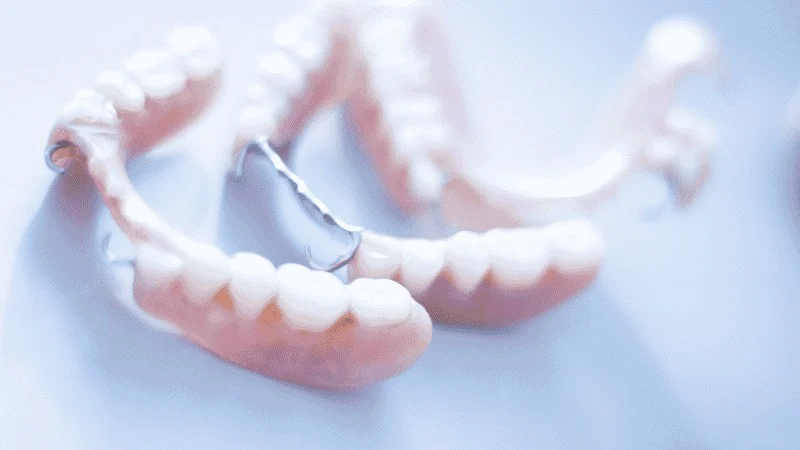
Partial dentures are removable appliances that replace one or more missing teeth. They have replacement teeth attached to a gum-colored base, which connects with metal or plastic clasps that hook onto your remaining teeth.
These tooth replacement options cost less than bridges or implants. You can get them quickly, often within a few weeks. They’re also easier to repair if damaged.
However, partial dentures feel bulkier in your mouth than fixed options. You must remove them daily for cleaning. The metal clasps may show when you smile, depending on where your missing tooth is located.
They can feel loose or shift when eating certain foods. Over time, the clasps can damage the teeth they hook onto.
Partials work best as temporary solutions or when you’re missing multiple teeth in different areas of your mouth.
When Root Canal Retreatment or Apicoectomy May Still Be Appropriate
Before choosing tooth replacement, you should know that nonsurgical retreatment is often the first option after a failed root canal.
Your endodontist can reopen your tooth, remove the old filling materials, and clean the canals again to eliminate any remaining infection.
An apicoectomy involves removing the tip of your tooth’s root through a small incision in your gum. This endodontic surgery may help save your tooth when retreatment isn’t possible or hasn’t worked.
Consider these options when:
- Your tooth has good bone support
- The infection is limited to the root tip
- Your tooth has a crown or bridge you want to keep
- You prefer saving your natural tooth
Talk to an endodontist before extraction. Saving your root canal-treated tooth with retreatment or surgery often provides better long-term results than replacement options, especially for your jaw bone health and final restoration stability.
Choosing the Best Solution for Your Smile and Long-Term Health
Each tooth replacement option offers different benefits for your oral health and jawbone strength. The right choice depends on your bone density, gum condition, and how long you want the solution to last.
Comparing Implant, Bridge, and Denture Outcomes
Dental implants provide the most complete solution because they replace both the tooth and root. The titanium post fuses with your jawbone, which prevents bone loss and keeps your jaw strong. Implants can last 20 years or longer with proper care.
Bridges rely on your neighboring teeth for support. Your dentist removes enamel from healthy teeth on each side to anchor the bridge.
While bridges restore your ability to chew and speak, they don’t prevent bone loss in the gap where your tooth was removed.
Dentures are removable replacements that sit on top of your gums. They cost less than other options but don’t stop your jawbone from shrinking over time.
Implant-supported dentures combine the stability of implants with the affordability of dentures, which helps preserve bone better than traditional dentures.
Factors Affecting Candidacy and Success
Your jawbone needs enough height and thickness to support an implant. If you’ve had bone loss from infection or missing teeth, you might need a bone graft before getting an implant. This adds time and cost to your treatment.
Gum health plays a major role in treatment success. Active gum disease can cause implants to fail or bridges to develop problems. Your dentist will treat any gum infections before starting tooth replacement.
Medical conditions like uncontrolled diabetes or smoking can reduce healing and increase failure rates. You’ll need to discuss your complete health history with your dentist.
Age isn’t usually a barrier as long as your jawbone has finished growing.
Supporting Gum and Bone Health Over Time
Bone preservation happens best with dental implants because they stimulate your jawbone just like natural tooth roots. Without this stimulation, your jawbone can shrink by 25% in the first year after tooth loss.
You need to brush and floss around any tooth replacement to maintain gum health. Implants require cleaning around the metal post where it meets your gums. Bridges need special flossers to clean underneath the false tooth.
Regular dental checkups help catch problems early. Your dentist will check for gum inflammation, bone changes, and any loosening of your replacement tooth. Professional cleanings remove buildup that your regular brushing might miss, protecting both your natural teeth and replacement.
Frequently Asked Questions
Many people have questions about what happens when root canal treatment doesn’t work and what replacement options are available. The cost, timing, and comfort level of different treatments are common concerns.
What are my options if a root canal fails and the tooth can’t be saved?
You have several choices when a tooth can’t be saved after a failed root canal. Nonsurgical retreatment is typically the first option your dentist will consider before moving to extraction.
If the tooth needs to be removed, you can replace it with a dental implant, bridge, or partial denture. A dental implant is a titanium post that goes into your jawbone and acts like a tooth root.
A bridge uses the teeth on either side to support a fake tooth in the gap.
Some patients choose not to replace the tooth at all, though this can cause other teeth to shift over time.
Is it better to get a dental implant or a bridge after a tooth is removed?
There is no universal answer to whether a dental implant or bridge is better for your situation. Each option has different benefits and drawbacks.
Implants don’t require grinding down healthy teeth next to the gap. They also help keep your jawbone healthy because they act like natural tooth roots. However, they cost more upfront and take longer to complete.
Bridges are usually faster to get and cost less initially. The downside is that your dentist must remove enamel from the neighboring teeth to place the bridge. Your dentist can help you decide which option fits your needs and budget.
How soon after an extraction can I get a dental implant?
The timing depends on your specific situation and healing process. Some dentists can place an implant right away on the same day as the extraction. This is called immediate placement.
Most cases require waiting three to six months after the tooth is removed. This gives your jawbone time to heal completely. Your dentist may also need to do a bone graft if there isn’t enough bone to support the implant.
Your overall health, the location of the missing tooth, and the condition of your jawbone all affect the timeline.
How much does a dental implant typically cost compared with other replacement choices?
A single dental implant usually costs between $3,000 and $6,000 on average. This includes the implant post, abutment, and crown. The price varies based on your location and whether you need extra procedures like bone grafting.
Bridges typically cost between $2,000 and $5,000 for a three-unit bridge. Partial dentures are often the least expensive option, ranging from $300 to $5,000 depending on the type.
Keep in mind that implants often last longer than other options. Many dental insurance plans cover part of the cost for tooth replacement, though coverage varies widely.
How can I tell if a root canal has failed, and can it be seen on an X-ray?
Signs of a failed root canal include pain when you bite down, swelling in your gums, or sensitivity to hot and cold. You might also notice a pimple-like bump on your gum near the tooth.
X-rays can often show problems with a root canal. Your dentist looks for dark areas around the tooth root that suggest infection or bone loss. However, not all failed root canals show up on X-rays right away.
Sometimes a tooth feels fine, but the X-ray shows an issue developing. Regular dental checkups help catch these problems early.
Which tends to hurt more, getting an implant or having the tooth extracted?
Most patients report similar discomfort levels for both procedures. Both tooth extraction and implant placement are done with local anesthesia, so you shouldn’t feel pain during the procedure itself.
After an extraction, you typically have soreness for three to five days. Implant placement often causes slightly more discomfort that can last about a week. The pain is usually manageable with over-the-counter medication.
Your individual pain tolerance and the complexity of your case affect how much discomfort you experience. Most people find both procedures much less painful than they expected.