If you want to replace a missing tooth fast, same-day dental implants may sound like the perfect fix. You walk in with a damaged or missing tooth and leave with a new one in place.
That speed makes one-day dental implants and teeth-in-a-day options very appealing.
Same-day tooth implants let you get an implant and a temporary tooth in one visit, but you must have good health and enough jawbone to qualify.
Not everyone fits the requirements, and the treatment comes with both benefits and risks.
You need to understand how the process works, how it compares to traditional dental implants, and what you can expect during healing. When you know the facts, you can decide if this faster option truly fits your needs and long-term goals.
Key Takeaways
- Same-day dental implants place an implant and temporary tooth in one appointment.
- You must meet health and bone requirements to qualify safely.
- Costs, healing time, and risks differ from traditional dental implants.
How Same-Day Tooth Implants Work
Same-day dental implants place the implant and attach a temporary tooth in one visit. You leave the office with a fixed tooth while your jaw heals and bonds to the implant.
Immediate Implant Placement and Restoration
With immediate dental implants, your implant specialist removes the damaged tooth and places the implant during the same visit. This step is called implant placement and it happens during minor implant surgery.
Your dentist uses the latest dental technology like 3D scan to check bone shape, nerve position, and sinus space before the procedure. The scan helps guide precise placement and lowers the risk of problems.
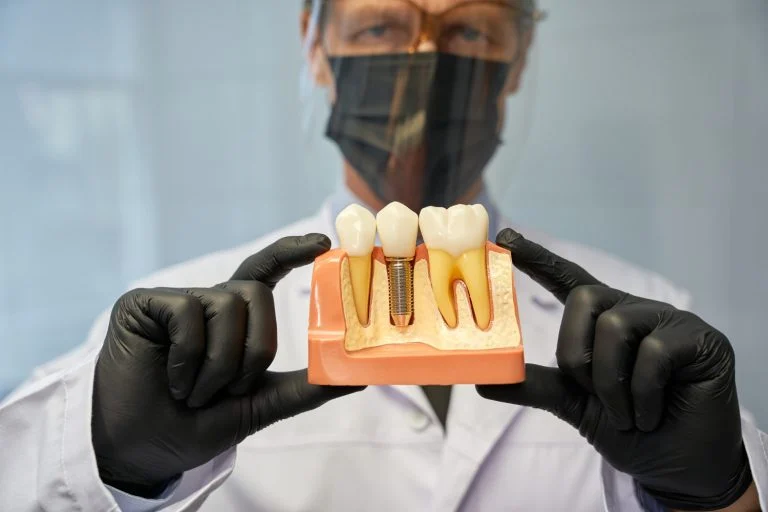
After placing the titanium implant into your jawbone, your provider may attach a temporary restoration the same day. This approach is often called immediate load implants or one-day implants.
You stay numb during the dental implant procedure, and most offices offer sedation if needed. The full visit may take a few hours, depending on how many implants you receive.
Temporary Crown and Final Crown Timeline
In same-day dental implants, you receive a temporary crown right after implant placement if your implant is stable. This crown restores your smile and lets you speak normally.
Your dentist shapes the temporary crown to reduce pressure when you bite. You may need to chew on the opposite side and follow a soft diet for several weeks.
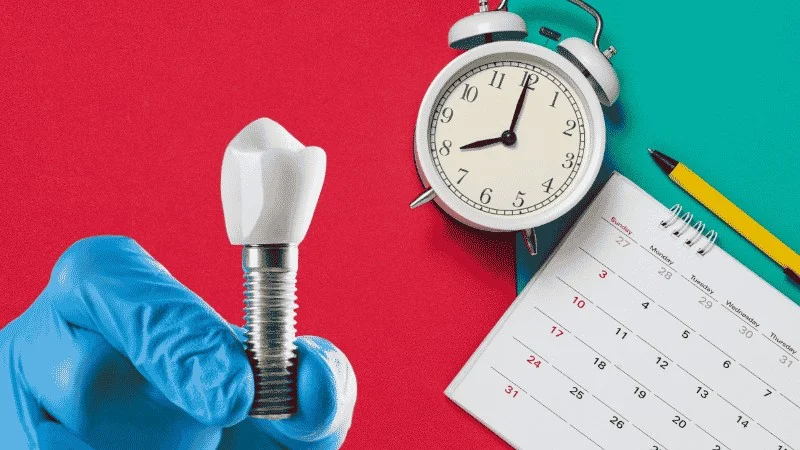
Even though you leave with a tooth, healing still takes time. The bone must fuse to the implant in a process called osseointegration, which often takes 2 to 6 months.
After the bone bonds fully, your implant specialist replaces the temporary crown with a custom final crown. The final crown is stronger, designed for full chewing force, and matched closely to your natural teeth.
The Role of Jawbone Density and Primary Stability
Not everyone qualifies for immediate load implants. Your jawbone density plays a key role in success.
Your dentist checks bone volume and strength using a 3D scan and clinical exam. If the bone feels firm during implant placement, the implant can achieve strong primary stability, which means it stays steady right away.
Primary stability allows safe support of a temporary crown. If the bone is soft or thin, your provider may delay the crown to protect healing.
You may need bone grafting if you lack enough bone. In that case, your implant specialist may recommend a traditional healing plan instead of same-day dental implants to support long-term success.
Candidate Requirements and Assessment
You need strong bone, healthy gums, and stable overall health to qualify for a same-day dental implant procedure. An implant dentist will review these areas closely before confirming your eligibility.
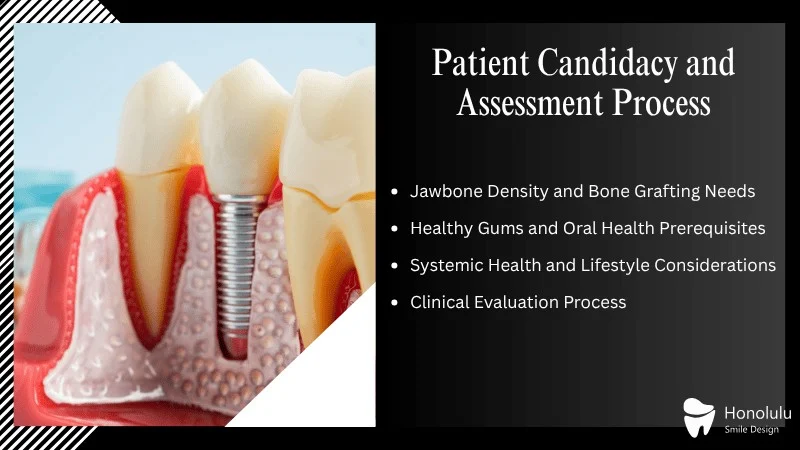
Jawbone Density and Bone Grafting Needs
Your jawbone must have enough jawbone density to hold the implant firmly on the day it is placed. Same-day implants rely on strong initial stability. If the bone is too thin or soft, the implant may not bond well during healing.
Your implant specialist checks bone height and width with 3D scans. These images show if the site can support pressure from a temporary tooth right away.
If you have bone loss, you may need a bone graft. Bone grafting builds up weak areas so the implant has solid support. In the upper back jaw, you might also need a sinus lift to create enough space for the implant.
Some patients can receive bone grafting at the same visit. Others need to heal for several months before moving forward. Your exact plan depends on how much bone you have and where the implant will sit.
Healthy Gums and Oral Health Prerequisites
Healthy gums play a major role in implant success. If you have active gum disease, your implant dentist will treat it before placing an implant.
Gum infection can damage bone and slow healing. That increases the risk of implant failure.
Your provider will check for:
- Red or swollen gum tissue
- Bleeding during brushing or probing
- Deep gum pockets
- Loose teeth from bone loss
You also need good daily oral care. Brushing twice a day and cleaning between teeth helps protect the implant during healing.
If a tooth is badly damaged or infected, your dentist may remove it and place the implant the same day. This works best when the surrounding bone and gum tissue remain healthy.
Systemic Health and Lifestyle Considerations
Your overall health affects how well your body heals after surgery. Certain medical conditions can slow bone healing or raise infection risk.
Your implant specialist will review:
- Diabetes control
- Heart conditions
- Autoimmune disorders
- Medications that affect bone healing
- Smoking or tobacco use
Heavy smoking reduces blood flow to the gums and bone. That makes healing harder and lowers implant stability.
You should also be ready to follow post-surgery instructions. This includes eating soft foods, keeping the area clean, and attending follow-up visits. Your cooperation plays a direct role in long-term success.
Clinical Evaluation Process
Your clinical evaluation gives clear answers about your eligibility. It often starts with a detailed exam and digital 3D imaging.
Providers assess bone structure, gum health, and medical history before approving treatment.
During your visit, the implant dentist will:
- Review your full medical history
- Examine your gums and remaining teeth
- Measure jawbone density with a CT scan
- Discuss your goals and expectations
You will also learn if you qualify for immediate placement with a temporary tooth or if you need preparatory steps like bone grafting. This detailed review helps you move forward with a plan that fits your health and anatomy.
Comparing Same-Day and Traditional Dental Implants
When you compare same-day vs traditional implants, the main differences involve timing, healing, and how soon you receive your final crown.
Both options can replace missing teeth, but they follow different treatment paths and suit different needs.
Timeline and Treatment Process Differences
Traditional dental implants take place in stages. Your dentist removes the damaged tooth, places the implant in your jaw, and waits several months for the bone to fuse to the implant before placing the final crown.
This healing process, called osseointegration, often takes 3 to 6 months. In many cases, the full timeline lasts 5 to 10 months.
Same-day implants, also known as teeth in a day, shorten this process. You receive the implant and a temporary crown in one visit. You still heal over time, but you leave the office with a working tooth.
Traditional implants require more visits. Same-day options reduce visits but may involve longer time in the dental chair during that single appointment.
Advantages of Same-Day Implants
The main advantages of same-day implants involve speed and convenience. You walk out with a tooth instead of waiting months with a gap or temporary denture.
You also avoid several separate surgeries. Fewer surgical steps can mean a shorter overall treatment period, which many people prefer.
Research shows that success rates between immediate and conventional implants are similar in many cases.
However, same-day implants may carry a slightly higher risk of early failure in certain patients. Bone quality, gum health, and medical history play a big role in your outcome.
Immediate vs Delayed Implant Placement
Immediate implant placement happens right after tooth removal. Your dentist places the implant into the fresh extraction site during the same visit.
Delayed placement waits until the site heals. With traditional dental implants, you may wait a few months before implant surgery begins.
You may qualify for immediate implant placement if:
- Your jawbone is thick and stable
- You do not have active gum disease
- You maintain good oral hygiene
- You do not smoke
If you have bone loss, your dentist may recommend bone grafting and delayed placement instead. In some cases, other tooth replacement options like dental bridges may work better for a single missing tooth.
Your dentist will check your bone with X-rays or a 3D scan before recommending same-day vs traditional implants.
All-on-4 and Full-Arch Solutions
If you need to replace many or all missing teeth, single implants may not be the best approach. All-on-4 and other full-arch solutions use four or more implants to support a full set of teeth.
With All-on-4, you often receive a fixed temporary arch on the same day as surgery. This gives you stable teeth without placing one implant for every missing tooth.
Traditional full-arch implants may follow a longer healing schedule before placing the final bridge. The structure is similar, but the timeline differs.
Expected Outcomes and Potential Risks
Same-day implants can give you teeth right away, but your jawbone still needs time to heal and bond with the implant. Your daily habits during healing play a big role in long-term success.
Healing, Osseointegration, and Long-Term Success
After placement, your implant must fuse with your jawbone in a process called osseointegration. This step usually takes 2 to 6 months, even if you leave the office with an immediate restoration.
Your dentist checks for primary stability during surgery. This means the implant feels firm in the bone at the time of placement. Strong primary stability makes same-day treatment possible.
You will likely wear a temporary restoration at first. It looks like a real tooth, but it protects the implant while the bone heals. Once osseointegration finishes, your dentist replaces it with a permanent crown built for full chewing strength.
Long-term success depends on healthy bone, good oral hygiene, and regular dental visits. When these factors stay on track, implants can last many years.
Implant Failure and Complication Factors
Implant failure can happen, though it is not common. It often occurs when the implant does not fully bond with the bone.
Several factors raise your risk:
- Poor bone quality or low bone volume
- Smoking or heavy tobacco use
- Uncontrolled diabetes
- Active gum infection
- Excess pressure on the implant too soon
If the implant lacks enough primary stability, it may loosen during healing. Infection around the implant site can also block osseointegration.
You might notice warning signs such as pain that worsens, swelling that does not improve, or movement in the implant. Early treatment can sometimes save the implant, so contact your dentist right away if something feels wrong.
Importance of Soft-Food Diet and Aftercare

Your implant needs protection during the first few weeks. Even with an immediate restoration, you must limit pressure on the area.
Follow a soft-food diet that includes foods like yogurt, eggs, pasta, soft fish, and smoothies. Avoid hard, crunchy, or sticky foods that can shift the implant.
You should also:
- Chew on the opposite side if advised
- Brush gently around the implant
- Use any prescribed rinse as directed
- Attend all follow-up visits
These steps protect primary stability and support healthy osseointegration. Careful aftercare lowers your risk of implant failure and helps you move safely from a temporary restoration to a strong permanent crown.
Cost Considerations and Choosing a Specialist
You need clear numbers before you commit to treatment. The total price depends on the type of implant, your oral health, and the training of the provider who places it.
How Much Do Same-Day Dental Implants Cost?
Many patients ask, how much do same-day dental implants cost? The answer depends on the method used and how many teeth you replace.
Immediate load implants often range from about $4,000 to $5,000 per implant. Mini implants can cost less, sometimes between $500 and $1,500 per implant. Full-arch options like All-on-4 may range from $12,000 to $25,000 per jaw.
Traditional dental implants cost about $1,500 to $6,000 per implant. You may pay more for same-day treatment because it requires careful planning and precise placement in one visit.
Insurance may cover part of the dental implants cost, but many plans limit implant benefits. Always ask for a written treatment plan with a full breakdown of fees before you agree.
Factors Influencing Implant Cost
Your final implant cost depends on more than the implant itself. Dentists look at your bone level, gum health, and medical history before they set a price.
If you need tooth removal, bone grafting, or a sinus lift, your total cost will rise. Same-day treatment usually works best when your jawbone is strong and does not need extra surgery.
Location also matters. Large cities often charge more than smaller towns. The type of restoration affects price too. A single crown costs less than a full bridge or full-arch prosthesis.
You should also ask what the fee includes. Some offices bundle imaging, temporary teeth, follow-up visits, and final crowns. Others charge for each step. Clear pricing helps you compare options with confidence.
Specialist Training and Experience

Choosing the right implant dentist is as important as comparing prices. Same-day implants demand strong surgical skill and careful case selection.
You should look for a dental implant specialist with advanced training in oral surgery, periodontics, or prosthodontics. These providers often complete extra years of education focused on implant placement and restoration.
Ask how many same-day cases the dentist has completed. Review before-and-after photos and discuss success rates.
An experienced provider will explain limits, not just benefits. Clear answers and a detailed plan show that your care comes first.
Frequently Asked Questions
Same-day tooth implants can restore your smile in one visit, but they require healthy bone, careful planning, and close follow-up. You need to understand the risks, recovery steps, and how they compare to traditional implants before you decide.
How safe are same-day tooth implants, and what are the most common risks?
Same-day implants, also called immediate-load implants, can be safe when your dentist selects you carefully and places the implant with strong initial stability.
The most common risks include implant failure, infection, and poor bonding between the implant and your jawbone. If the implant moves too much during healing, it may not fuse with the bone.
You may also face gum swelling, bruising, or temporary pain after surgery. These issues often improve within a few days with proper care.
What problems can happen after one-day dental implants, and how can I spot them early?
You should watch for severe pain that does not improve, ongoing bleeding, or pus near the implant site. These signs can point to infection.
Loose feeling in the new tooth is another warning sign. An implant should feel stable, even if your gums feel tender.
Some people notice gum recession or bone loss over time. Regular checkups help your dentist spot these changes early and adjust your care plan.
Who is a good candidate for getting a tooth implant placed and restored in the same day?
You may qualify if you have healthy gums, enough jawbone, and no active infection at the site. Your dentist will use X-rays or 3D scans to check bone volume.
Non-smokers and people without uncontrolled diabetes often heal better. Good oral hygiene also improves your chances of success.
If your bone is thin or soft, your dentist may suggest a traditional implant with a longer healing period instead.
How does the success rate of same-day implants compare with traditional delayed implants?
Both same-day and traditional implants can have high success rates when placed in the right patient. The main difference is timing, not the implant material.
Traditional implants heal for several months before a crown is attached. Same-day implants place a temporary crown right away.
In some cases, delayed implants may offer a slightly lower risk of early failure because the implant stays unloaded while it bonds to the bone. Your dentist will weigh this against your need for faster results.
What should I expect during recovery after a same-day implant procedure?
You can expect mild swelling, soreness, and possible bruising for a few days. Over-the-counter pain medicine and cold compresses often help.
Your dentist may advise you to eat soft foods and avoid chewing on the implant side. This step protects the implant while it bonds to your bone.
Follow-up visits allow your dentist to check healing and adjust the temporary crown if needed.
Why do some people report issues with one-day dental implants, and how can I reduce my chances of complications?
Problems often happen when the implant does not have enough bone support or when patients chew on it too soon. Poor oral hygiene also raises the risk of infection.
You can lower your risk by choosing an experienced implant dentist and following all aftercare instructions. Keep the area clean and attend every follow-up visit.
If you smoke, consider quitting before surgery. Smoking slows healing and increases the chance that the implant will fail.