Finding a dentist who provides excellent care at a price you can afford might seem difficult, but it’s entirely possible. About 74 million Americans lack dental insurance, which makes understanding your options crucial for getting the treatment you need without financial stress.
You can access high-quality dental care while staying within your budget by exploring community health centers, dental school clinics, flexible payment plans, and preventive oral care strategies that reduce long-term costs.
The key is knowing where to look and what questions to ask before committing to a dental practice.
Affordable dental care doesn’t mean settling for subpar treatment. Many skilled dentists offer competitive pricing through membership plans, sliding scale fees, and financing options that make comprehensive dental services accessible to everyone.
Key Takeaways
- Research multiple dental practices and compare their pricing, payment options, and patient reviews to find quality care within your budget
- Take advantage of preventive services like cleanings and exams that many insurance plans cover completely to avoid costly procedures later
- Consider dental school clinics, community health centers, and membership savings plans as affordable alternatives to traditional dental offices
Why Quality Should Never Be Sacrificed for Affordability
Your teeth and gums require skilled care to prevent serious health problems, and choosing a dentist based only on price can lead to complications that cost more money and harm your health in the long run.
Understanding the Relationship Between Cost and Oral Health
The connection between what you pay and the care you receive matters more than you might think. When you choose an affordable dentist, you’re making a decision that affects your oral health for years to come.
Lower prices sometimes mean a dentist uses cheaper materials or outdated equipment. A filling made from low-quality materials might need replacement within a year or two, while a properly done filling can last a decade or more.
Your dentist might also rush through appointments to see more patients, missing early signs of problems.
Key factors that affect dental care quality:
- Experience and training of the dentist
- Type of materials used for fillings and crowns
- Modern equipment for accurate diagnosis
- Time spent on each patient
- Sterilization and safety procedures
You don’t always need the most expensive dentist, but extremely cheap dental care often cuts corners. The goal is finding affordable dental care that still meets professional standards.
Potential Risks of Neglecting Quality Dental Care
Poor dental work creates problems that go beyond your mouth. Infections from badly done procedures can spread to other parts of your body. Improperly treated teeth can lead to gum disease, which research links to heart disease and diabetes complications.
A dentist who misses early cavities will leave you facing root canals later. Root canals cost five to ten times more than simple fillings. Someone who doesn’t properly clean your teeth might miss gum disease in its early stages, when it’s easiest to treat.
Health risks from low-quality dental care include:
- Tooth loss from untreated decay
- Bone loss in your jaw
- Chronic infections
- Pain that affects eating and sleeping
- Emergency dental visits that cost more
Your oral health connects to your overall health. Gum disease can make existing health conditions worse and create new problems throughout your body.
Defining Your Needs: Essential Factors to Consider
Understanding what you need from a dentist helps you find affordable care that matches your situation. Your specific dental requirements, family members’ needs, and how easily you can reach the office all affect which dentist will work best for your budget.
Assessing Services Required: Preventive, Restorative, and Cosmetic
Start by listing the dental services you need most often. Preventive care includes cleanings, exams, and X-rays that keep problems from developing. Most people need these services twice a year.
Restorative treatments fix existing issues. These include fillings, crowns, root canals, and dentures. If you have ongoing dental problems, you’ll want a dentist who offers quality restorative work at reasonable prices.
Cosmetic procedures like teeth whitening, veneers, and bonding improve how your smile looks. A cosmetic dentist typically charges more for these services since they’re usually not covered by insurance.
Prioritizing preventive care saves money in the long run by helping you avoid expensive treatments. Look for dentists who offer free or discounted preventive visits as part of membership plans.
Evaluating Family and Specialized Dental Needs

Think about who in your household needs dental care. An affordable family dentist can treat everyone from kids to adults in one location. This saves time and often reduces costs since many family practices offer package deals.
Young children may need a pediatric dentist who specializes in treating kids. These dentists create child-friendly environments and understand how to work with nervous young patients.
Teenagers or adults needing braces should look for an orthodontist. Some family dentists offer basic orthodontic services, which can cost less than seeing a specialist.
Consider these factors when choosing the right dentist for specialized needs:
- Age-specific care requirements
- Existing dental conditions
- Treatment preferences
- Insurance coverage for specialists
Considering Location and Office Accessibility
Search for a dentist near me to find convenient options. A nearby office makes it easier to keep appointments and handle dental emergencies without long drives.
Check the office hours before choosing a dentist. Some practices offer evening or weekend appointments that fit busy schedules better. Missing fewer work hours can save you money beyond the dental bill itself.
Look at parking availability and public transportation access. Easy access means you’re more likely to keep regular appointments and maintain good oral health.
Consider whether the office offers emergency care. Having after-hours support from your regular dentist prevents costly emergency room visits for dental problems.
Contact our team to learn affordable dental care options designed to fit your budget.
Smart Strategies to Find an Affordable Dentist
Finding a dentist who fits your budget requires research and comparison, but the effort pays off when you discover quality care at a fair price. You’ll want to gather cost information, read what other patients say, and check the dentist’s qualifications and equipment.
Comparing Local Providers and Getting Transparent Cost Estimates
When you find an affordable dentist, the first step is calling several offices in your area to ask about their fees. Request specific pricing for common services like cleanings, exams, fillings, and X-rays.
Many dental offices will provide a cost estimate over the phone or through their website. Write down these prices so you can compare them side by side. Some practices charge $75 for a cleaning while others might charge $150 for the same service.
Ask each office if they offer payment plans or in-house membership programs. These options can make expensive treatments more manageable by spreading costs over several months.
You should also inquire whether they accept your insurance or offer discounts for paying upfront.
Don’t assume the cheapest option is always best. Instead, look for reasonable pricing combined with good reviews and proper credentials.
Checking Online Reviews and Personal Recommendations
Reading what other patients say about their experiences helps you avoid low-quality dentists and find trustworthy ones. Look at reviews on multiple platforms to get a complete picture of each dental office.
Pay attention to comments about pricing transparency, staff friendliness, and whether the dentist explains procedures clearly. When finding a dentist, reviews mentioning unexpected fees or pushy sales tactics are red flags you shouldn’t ignore.
Ask friends, family members, and coworkers who they see for dental care. Personal recommendations often lead to discovering affordable practices that deliver excellent results. People you trust will give you honest feedback about both costs and quality.
Verifying Credentials, Experience, and Technology Used
Before choosing a dentist, confirm they have proper licensing through your state’s dental board website. You want someone who completed accredited training and maintains their credentials through continuing education.
Check how long the dentist has been practicing and whether they specialize in areas relevant to your needs. More experience often means better outcomes for complex procedures.
Ask about the technology they use, such as digital x-rays and other state-of-the-art technology that can make treatments faster and more comfortable.
Modern equipment like digital imaging reduces radiation exposure and provides clearer pictures for diagnosis. Offices that invest in updated technology often provide more efficient care, which can save you money in the long run through fewer repeat visits.
Affordable Dental Options and Payment Solutions
Finding affordable dental care means exploring different payment methods and programs that fit your budget. Many dentists accept various forms of coverage and offer flexible payment arrangements to make quality care accessible.
Insurance, Medicaid, and Coverage Acceptance
When searching for an affordable dentist, start by checking which providers accept your dental insurance or Medicaid. Most dental practices list accepted insurance plans on their websites or you can call their office directly.
If you have Medicaid, look for dentists who participate in your state’s program. Not all dental offices accept Medicaid, so this step helps narrow your search. Some states offer expanded Medicaid dental benefits for adults, while others focus primarily on children’s coverage.
Ask potential dentists about their claims process and whether they file insurance paperwork on your behalf. Understanding your coverage limits, copays, and deductibles before treatment helps avoid surprise bills.
Some offices offer courtesy insurance benefit checks to estimate your out-of-pocket costs.
Dental Savings Plans, Discount Plans, and In-House Memberships
Dental savings plans offer an alternative to traditional insurance for a small annual membership fee. These plans provide discounts on procedures like exams, cleanings, and fillings without waiting periods or claim forms.
Many dentists offer in-house membership plans that give you access to preventive services at reduced rates. These programs typically include bi-annual exams, cleanings, and fluoride treatments for a flat annual fee.
Dental discount plans work differently than insurance. You pay the discounted rate at the time of service rather than waiting for reimbursement. The savings can be substantial, especially if you need multiple procedures throughout the year.
Sliding Scale Fees and Flexible Payment Arrangements
Some dental offices use sliding scale fees based on your income and family size. This means you pay what you can afford rather than the full standard rate. Ask potential dentists if they offer this option during your initial consultation.
Flexible payment options help you spread treatment costs over time without compromising your financial stability. Many practices offer interest-free financing plans or work with third-party lenders.
Some offices allow you to set up monthly payment arrangements directly with them.
Before committing to treatment, discuss all available payment plans with the dental office. Clear communication about costs prevents misunderstandings and helps you create a realistic budget for your dental care needs.
Community Health Centers and Dental Schools
Community health centers provide dental services at reduced prices based on your ability to pay. These centers often receive federal funding to serve low-income families and uninsured patients. The quality remains high because licensed dentists supervise all care.
Dental school clinics offer another option for quality care at lower costs. Dental students perform treatments under the close supervision of experienced faculty dentists. Appointments may take longer than at private practices, but you receive thorough care at a fraction of typical prices.
Community dental clinics operate in many areas to serve populations who lack access to private dental care. These clinics accept various payment methods including Medicaid, sliding scale fees, and payment plans.
Key Services and Procedures to Prioritize
Understanding which dental services matter most helps you spend your money wisely and maintain good oral health. Focus on treatments that prevent problems and address urgent needs before considering optional cosmetic work.
Preventive Dental Care: Cleanings, Exams, and Fluoride Treatments
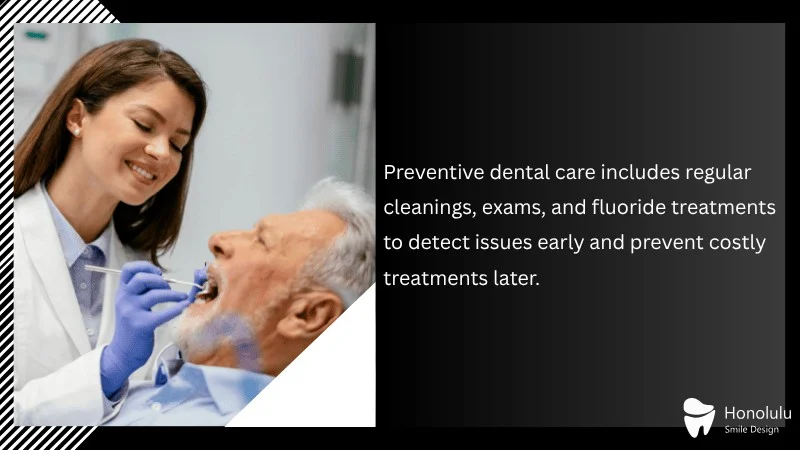
Preventive dental care is the foundation of affordable dentistry because it stops problems before they become expensive. Regular cleanings remove plaque and tartar that you can’t eliminate with brushing alone. Most dentists recommend cleanings every six months.
Professional exams catch cavities, gum disease, and other issues early when they’re cheaper to fix. Your dentist checks your teeth, gums, and mouth for signs of trouble during these visits.
Fluoride treatments strengthen your tooth enamel and help prevent decay. They’re especially important for children but adults benefit too. Many affordable dentists include fluoride treatments with routine cleanings at no extra cost.
Preventive care costs far less than treating cavities, gum disease, or infections later. Skipping these appointments to save money usually backfires because you’ll need more expensive procedures down the road.
Common Restorative Treatments: Fillings, Crowns, and Root Canals
Restorative treatments fix existing problems and should be your next priority after preventive care. Fillings repair cavities before they grow larger and require more extensive work.
The cost varies based on the material used, with composite fillings typically costing more than traditional amalgam.
Crowns cover damaged or weakened teeth to restore their shape and function. You might need a crown after a root canal or to protect a cracked tooth. These procedures cost more than fillings but prevent tooth loss.
Root canals save infected teeth that would otherwise need extraction. Despite their reputation, root canals relieve pain and are often less expensive than replacing a lost tooth with an implant or bridge.
Get quotes from multiple dentists for these procedures since prices vary significantly between offices. Ask about payment plans if you need extensive restorative work but can’t pay upfront.
Major Procedures: Tooth Extractions, Dentures, and Dental Implants

Major procedures address serious dental problems or replace missing teeth. Tooth extractions remove damaged or infected teeth that can’t be saved. Simple extractions cost less than surgical extractions for impacted teeth.
Dentures replace multiple missing teeth and come in partial or full sets. They’re usually the most affordable option for replacing several teeth at once. Modern dentures look natural and function well for eating and speaking.
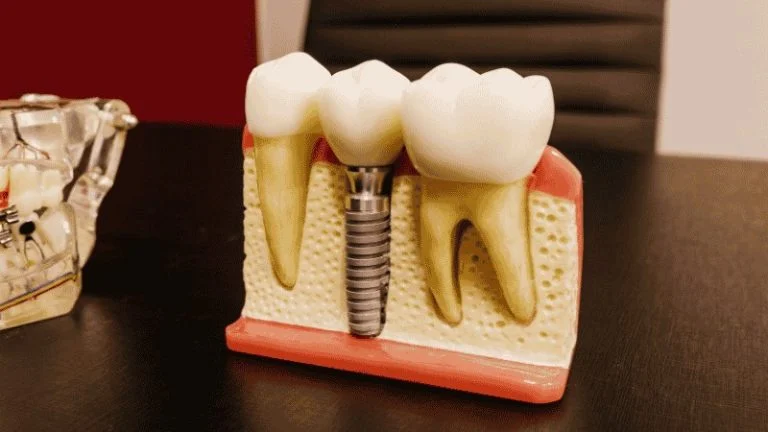
Dental implants are permanent tooth replacements that look and feel like natural teeth. A dental implant involves placing a metal post in your jawbone and attaching a crown on top.
They cost significantly more than dentures but last longer and don’t require replacement.
Consider dental schools for major procedures since they offer supervised treatment at 30-50% below regular prices. Evaluate whether you truly need the most expensive option or if a more affordable alternative meets your needs.
Balancing Cosmetic Treatments with Core Dental Health
Cosmetic treatments improve your smile’s appearance but shouldn’t take priority over your oral health. Teeth whitening, veneers, and bonding make your teeth look better but don’t address underlying health issues.
Save cosmetic work for after you’ve handled preventive care and necessary restorative treatments. A beautiful smile won’t matter if you have untreated cavities or gum disease causing tooth loss.
Some treatments serve both cosmetic and functional purposes. Crowns restore damaged teeth while improving appearance. Dental implants replace missing teeth and prevent bone loss while looking natural.
Ask your dentist which treatments are medically necessary versus elective. Quality dentists will be honest about what you need now and what can wait. Focus your budget on procedures that protect your long-term oral health first.
Making the Most of Your Dental Visits
Getting the best value from your dental care means understanding your payment options and making smart choices about where and how you receive treatment. Knowing what questions to ask and prioritizing your comfort can help you stick with regular visits.
Maximizing Insurance Benefits and Membership Discounts
If you have dental insurance, schedule cleanings and exams during times when you can use your full annual benefits. Most plans reset at the start of the calendar year or on your policy anniversary date.
Check if your dentist offers in-house membership plans for patients without insurance. These programs typically charge annual fees between $200 and $400 and include preventive care plus discounts on other treatments.
Dental savings plans and in-house memberships often provide 10-30% off procedures like fillings and crowns.
Ask about membership discounts before your first visit. Some offices give price breaks for paying upfront or for family enrollments. You can also use FSAs and HSAs to pay with pre-tax dollars, which lowers your actual cost.
Track your benefit limits throughout the year. If you’re close to your maximum coverage, schedule necessary work before it resets.
Asking the Right Questions Before Committing
Before you agree to treatment, ask for a detailed cost breakdown. Find out what each procedure costs and whether the office offers payment options like monthly installments or third-party financing through companies like CareCredit.
Request information about fees for common services like X-rays, cleanings, and emergency visits. Transparent pricing helps you avoid surprise bills.
Ask if the dentist can phase complex treatments over several months. This lets you spread costs across multiple pay periods. Find out about cancellation policies and whether you’ll be charged for missed appointments.
Don’t hesitate to get a second opinion on expensive procedures. Some treatments can wait while others need immediate attention.
Prioritizing Comfort and Patient Experience
Patient comfort affects whether you’ll return for regular care. A good dentist should explain procedures clearly and answer your questions without rushing.
Look for offices that accommodate your schedule with early morning or evening appointments. Flexible hours make it easier to maintain routine visits without missing work.
Pay attention to how staff treats you during your first visit. They should be respectful of your budget concerns and willing to discuss alternatives. If you feel pressured into treatments you can’t afford, that’s a red flag.
Consider the office location and whether they offer amenities that make visits less stressful. Some practices provide entertainment options or sedation dentistry for anxious patients.
Frequently Asked Questions
Finding the right dentist means balancing cost with quality care. These common questions help you make informed decisions about your dental health while staying within budget.
What should I consider when looking for a high-quality, yet reasonably priced dentist?
Start by checking if the dentist accepts your insurance plan or offers payment options that fit your budget. Many practices provide flexible payment plans and membership savings programs that make care more accessible.
Look for a dentist who uses modern technology and maintains clean facilities. Advanced equipment like digital X-rays can improve accuracy and reduce treatment time.
Check online reviews and ask friends or family for recommendations. A dentist with positive feedback about both their skills and pricing is worth considering.
Consider the range of services offered. A practice that handles preventive care and specialized treatments saves you from visiting multiple offices.
How can I determine if a dentist provides good value for their services?
Ask about their pricing structure upfront. Good practices provide clear cost estimates before any treatment begins.
Compare what’s included in routine visits. Some dentists bundle services like exams, cleanings, and X-rays at competitive rates.
Check if they focus on preventive care. Dentists who emphasize prevention help you avoid costly procedures down the road.
Look at their treatment philosophy. Quality dentists explain all your options and don’t push unnecessary procedures.
What questions should I ask a new dentist to ensure I’m not sacrificing quality for cost?
Ask about their experience and training. Find out how long they’ve been practicing and if they pursue continuing education.
Request information about their sterilization procedures. Proper infection control is essential for your safety.
Inquire about emergency care availability. Knowing how they handle urgent situations gives you peace of mind.
Ask what happens if you’re not satisfied with treatment. Reputable dentists stand behind their work.
Question their approach to treatment planning. They should discuss all options with you, including costs for each.
How can I compare prices among different dental practices effectively?
Call several offices and ask for pricing on common procedures. Request quotes for cleanings, exams, and X-rays to establish a baseline.
Ask if they offer new patient specials. Many practices provide discounted initial visits to attract patients.
Inquire about their fees for specific treatments you might need. Getting detailed estimates helps you make accurate comparisons.
Find out what payment methods they accept. Practices that work with CareCredit or offer in-house financing may be more affordable overall.
Request a written treatment plan with costs before committing. This protects you from surprise charges.
What are some tips for finding affordable dental care without insurance?
Look into community health centers and dental school clinics that offer services at reduced rates. Dental students provide care under licensed supervision at about 50% off regular prices.
Consider dental membership plans. These annual fee programs cover preventive services and offer discounts on other treatments.
Search for nonprofit organizations that host free or low-cost dental events. Programs like Give Kids A Smile provide essential care to those in need.
Check if you qualify for government programs. About 74 million Americans lack dental insurance, but Medicaid and CHIP offer benefits to eligible individuals.
Ask your dentist about sliding scale fees based on income. Many practices adjust costs to help patients afford necessary care.
In what ways can I assess the expertise of a dentist to ensure I’m getting the best care?
Verify their credentials and licensure. Check your state dental board website to confirm they’re in good standing.
Ask about their continuing education. Quality dentists stay current with new techniques and technologies.
Observe how they communicate during your first visit. Good dentists take time to explain procedures and answer questions thoroughly.
Notice their diagnostic approach. Skilled dentists conduct thorough examinations and explain findings clearly.
Pay attention to their staff. A well-trained, professional team reflects the dentist’s commitment to quality care.