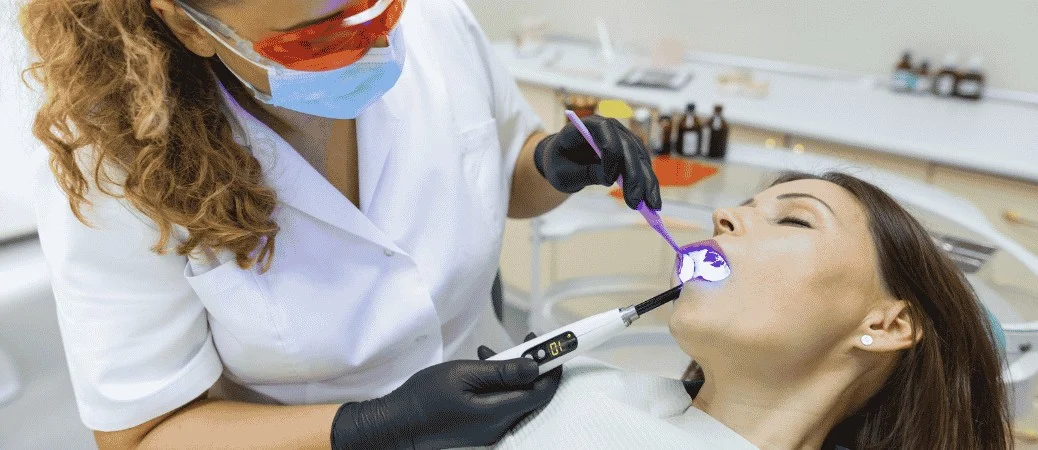
Dental anxiety can keep you from getting the care you need, and you are not alone if the thought of a dental visit makes your stomach turn.
Many people in Honolulu, HI deal with dental fear or dental phobia, and it can stop them from booking appointments for years.
Sedation dentistry in Honolulu gives you real options to feel calm and comfortable during your visit, no matter how nervous you feel.
From light gas that helps you relax to pills that ease your mind before you even sit in the chair, there is a method that can fit your comfort level. You deserve to get dental care without added stress.
This guide walks you through the different sedation methods available to anxious patients, how to pick the right one for your procedure, and what you can expect before, during, and after your visit.
You will also learn how to find a qualified sedation team in Honolulu so you can feel confident in your care.
Key Takeaways
- Sedation options can help you feel calm and relaxed during dental visits.
- Different sedation levels and methods are available depending on your comfort needs and procedure type.
- Knowing what to expect and choosing a qualified provider can make your dental experience smoother and less stressful.
Table of Content
- How Sedation Can Make Dental Care More Manageable
- Comparing Sedation Levels and Methods
- Choosing the Right Option for Your Procedure and Comfort
- What to Expect Before, During, and After Your Visit
- Finding a Qualified Honolulu Sedation Team
- Frequently Asked Questions
How Sedation Can Make Dental Care More Manageable
Dental anxiety can keep you from getting the care you need, but sedation dentistry gives you a way to relax through treatment instead of avoiding it.
Understanding who benefits most, what happens when care gets delayed, and what sedation can realistically do will help you decide if it’s the right fit for you.
Who May Benefit From a Calmer Approach
You might benefit from sedation if the thought of a dental visit makes your heart race or your palms sweat. This isn’t just about nerves before a big procedure.
Even routine cleanings can feel overwhelming if you’ve had a bad experience in the past.
Sedation can also help if you have a strong gag reflex or trouble sitting still for long periods. Some patients with special needs find that a calmer approach makes appointments go more smoothly for everyone involved.
You don’t need to have a full-blown phobia to consider this option. If dental visits cause you stress, even mild stress, sedation dentistry is worth discussing with your dentist here in Hawaii.
How Avoiding Treatment Can Affect Oral Health
When fear keeps you from the dentist’s chair, small problems don’t stay small. A minor cavity can turn into a root canal, while other problems may eventually require emergency dental care.
Gum inflammation can also progress into something more serious over time.
Skipping checkups also means missed chances to catch issues early. Your dentist can’t treat what they don’t see, and problems tend to get harder to fix the longer you wait.
This cycle can feel discouraging, but it’s common. Studies show that a large percentage of people avoid dental care due to fear, which only makes future visits more complicated.
Breaking that cycle with sedation options can protect your oral health before things get worse.
What Sedation Can and Cannot Do
Sedation can help you feel calm, relaxed, and less aware of the sounds and sensations that usually cause stress.
Depending on the type used, you might stay fully awake but at ease, or drift into a light sleep during longer procedures.
What sedation can’t do is replace good communication with your dentist. You’ll still need to discuss your medical history, medications, and any concerns beforehand.
It also won’t eliminate every dental treatment step. You still need x-rays, exams, and follow-up care as part of the process.
Sedation is a tool that makes treatment more comfortable, not a shortcut that skips necessary parts of your care.

Comparing Sedation Levels and Methods
Not all sedation dentistry options work the same way, and the right choice depends on your anxiety level and the procedure you need. Here’s how each method feels, how long it lasts, and what it’s best suited for.

Local Anesthesia and Minimal Sedation
Local anesthesia is the lightest option on the list. A local anesthetic simply numbs the area being worked on, so you stay fully awake and alert during your visit.
Minimal sedation goes one step further. It helps you feel relaxed while you’re still able to talk, respond, and follow instructions from your dentist.
This combo works well for simple procedures like fillings or cleanings. You won’t need anyone to drive you home, and you can usually go back to your normal day right after your appointment.
Nitrous Oxide for Fast-Acting Relaxation
Nitrous oxide, often called laughing gas, is one of the quickest ways to calm your nerves. You breathe it in through a small mask placed over your nose, and you’ll start to feel relaxed within a few minutes.
The best part about nitrous oxide sedation is how fast it wears off. Once your dentist removes the mask, the effects fade almost right away.
This makes it a great pick if you need to drive yourself to and from the office. It’s also gentle enough for shorter procedures where you just need to take the edge off.
Oral Conscious Sedation for Moderate Anxiety
Oral sedation involves taking a pill before your appointment, usually about an hour beforehand. It’s a step up from nitrous oxide and works well if you have moderate anxiety about dental visits.
You’ll feel drowsy and very relaxed, though you’ll still be conscious and able to respond if needed. This is why it’s sometimes called oral conscious sedation.
Since the medication can make you sleepy for several hours, you’ll need someone to drive you home afterward.
Many patients don’t remember much of the procedure once it’s done, which can be a relief if you’re feeling nervous.
IV Sedation and General Anesthesia
Intravenous sedation delivers medicine straight into your bloodstream through a small needle.
This method works faster than a pill and lets your dentist adjust your sedation level as needed during longer or more involved treatments.
With IV sedation, you’ll reach a deep state of relaxation but can still respond to commands. It’s a strong option for patients with severe anxiety or those having complex work like dental implants done in one visit.
General anesthesia goes further, putting you fully asleep with no awareness of the procedure at all. This option is typically reserved for extensive surgeries or patients who can’t stay still or calm through other sedation options.
Have questions about managing fear or anxiety during dental treatment? Contact Honolulu Smile Design to discuss your concerns and available comfort options.
Choosing the Right Option for Your Procedure and Comfort
Picking the best sedation method depends on your anxiety level, the type of procedure you need, and your own comfort level in the chair.
A good sedation dentist will walk you through your choices so you feel calm and informed before treatment starts.
Matching Sedation to Anxiety and Treatment Complexity
Not every dental visit needs the same level of sedation. If you feel a little nervous but can usually get through a cleaning or filling, nitrous oxide might be all you need.
It wears off fast, so you can drive yourself home right after.
If your dental anxiety is stronger, or the procedure is more involved, oral sedation may work better. This option helps you feel calm and relaxed through longer appointments.
For serious dental phobia or complex work, your dentist may suggest deeper sedation. Talking through your history and comfort needs helps your dentist choose the right fit for your specific case.
Support for a Sensitive Gag Reflex or Needle Fear

A sensitive gag reflex can make routine dental care feel unbearable. Sedation helps relax your muscles and reflexes, so tools and impressions don’t trigger that uncomfortable gagging feeling.
This can make a big difference for patients with sensitive gag reflexes who avoid the dentist for this reason.
Needle fear is another common concern. Some sedation methods, like nitrous oxide or an oral pill taken before your visit, mean you’re already relaxed by the time any injections happen.
Your dentist can offer tailored sedation options based on what specifically worries you, whether it’s the sound of instruments, the taste of materials, or the needle itself.
When Longer or Surgical Visits May Need Deeper Sedation
Some dental procedures simply take more time and involve more steps. Tooth extraction and implant dentistry often fall into this category, especially when multiple teeth or bone grafting are involved.
For these longer or more complex visits, oral conscious sedation lets you reach a state of twilight sleep while still being able to respond if needed.
You’ll feel drowsy and calm, and the appointment will likely feel shorter than it actually is.
IV sedation is another option often used for surgical procedures. It works quickly and can be adjusted throughout your visit to keep you comfortable from start to finish.
Always plan for a ride home afterward, since these deeper sedation methods take longer to wear off.
What to Expect Before, During, and After Your Visit
Knowing what happens at each stage of your appointment can ease a lot of worry. From filling out paperwork to getting home safely afterward, here’s a simple breakdown of the process.
Health History, Medication Review, and Informed Consent
Before any sedation happens, you’ll fill out a detailed health history form. Your dentist needs to know about current medications, allergies, and any past reactions to anesthesia.
This step helps your Honolulu office pick the safest option for you. Depending on your anxiety level and the procedure, you might be offered nitrous oxide, oral sedation, or oral conscious sedation.
For more involved cases, IV sedation (also called intravenous sedation) may be recommended, sometimes with an anesthesiologist present.
You’ll also sign an informed consent form. This document explains the types of dental sedation available, how they work, and any risks involved. Take your time reading it and ask questions if anything is unclear.
Comfort and Monitoring During Treatment
Once your procedure begins, your comfort and safety are the top priorities. If you’re getting nitrous oxide, you’ll breathe it through a small mask, and it wears off quickly once treatment ends.
For oral conscious sedation or IV sedation, your dental team will monitor your heart rate, blood pressure, and oxygen levels throughout the visit.
A local anesthetic is often used alongside sedation to numb the specific area being treated, so you won’t feel pain even if you’re aware of what’s happening.
Many patients say the experience feels calm and relaxed rather than stressful. You may not remember much of the procedure afterward, especially with deeper sedation methods.
Transportation, Recovery, and Aftercare Planning
Recovery starts as soon as your procedure ends, but the timeline depends on which type of sedation you had. Nitrous oxide wears off almost right away, so you can usually drive yourself home.
Oral sedation and IV sedation take longer to fully leave your system. Because of this, you’ll need someone to drive you home and stay with you for a few hours afterward.
Your dental team will send you home with clear aftercare instructions. These often include:
- Resting for the remainder of the day
- Avoiding driving or operating machinery
- Sticking to soft foods if numbness is still present
- Following up if you notice unusual swelling or pain
Following these steps helps your recovery go smoothly and safely. You should also know the signs to visit a dental office if something doesn’t feel right after treatment.
Finding a Qualified Honolulu Sedation Team
Not every dentist offers the same level of sedation care. Before you book an appointment, it helps to know what to ask and what to expect from a team that treats anxious patients every day.
Questions to Ask About Training and Available Services
Start by asking how long the dentist has offered sedation dentistry and what training they completed. A DMD who handles sedation cases regularly should be able to explain their process clearly, without rushing you.
Ask about the types of sedation offered too. Some Honolulu offices provide nitrous oxide, oral sedation, and IV sedation, while others may only offer one option.
You should also ask:
- How many sedation patients they treat each month
- What monitoring equipment they use during your visit
- How they handle emergencies
- Whether they use tools like The Wand for less painful injections
Getting clear answers to these questions helps you feel confident before treatment begins.
The Role of an Anesthesiologist for Appropriate Cases
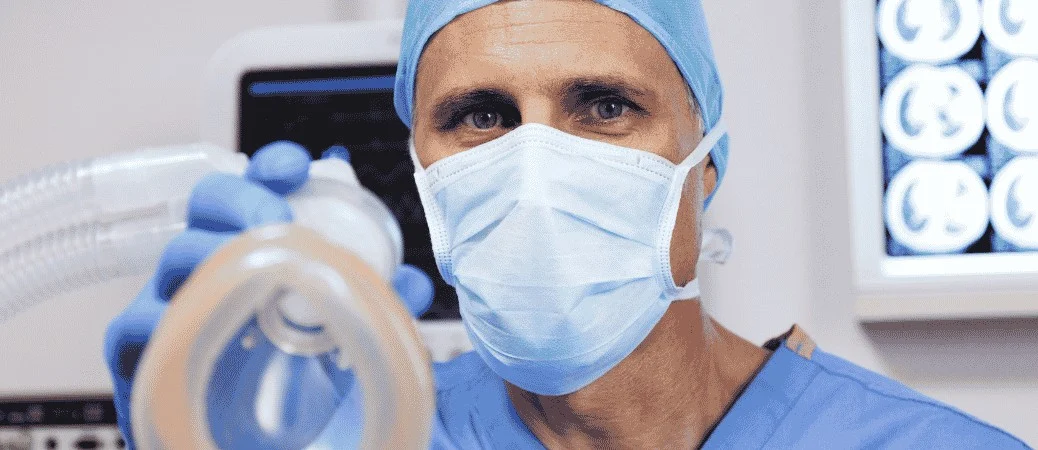
Some dental offices in Honolulu, HI keep an anesthesiologist on staff or on call for more involved procedures.
This is often the case for deep sedation or general anesthesia, where a patient needs closer monitoring throughout treatment.
Having an anesthesiologist present adds another layer of safety, especially for patients with health conditions or severe dental fear.
Not every case needs this level of support. But it’s worth asking if it’s available, especially if your treatment is complex or you feel unsure about oral sedation alone.
Creating a Personalized Plan Without Pressure
A good sedation dentist won’t rush you into a decision. Instead, they should walk you through your options and let you choose what feels right.
Your comfort should guide the plan, not a one-size-fits-all approach. Some patients only need nitrous oxide for a simple cleaning, while others benefit from IV sedation for longer or more involved work.
Look for a team that asks about your dental fear history, listens without judgment, and adjusts the plan based on your needs. This kind of care can make a real difference if you’ve avoided the dentist in the past.
Frequently Asked Questions
Here are answers to some common questions you might have about sedation dentistry, from your options to how to prepare for your visit.
What types of sedation are available for patients with dental anxiety?
You have a few choices when it comes to sedation. Nitrous oxide, also known as laughing gas, is a light option that wears off fast.
Oral sedation involves taking a pill before your appointment to help you relax.
IV sedation is a stronger option that goes straight into your bloodstream. Your dentist can help you figure out which type fits your needs best.
Is sedation dentistry safe for adults and children?
Yes, sedation dentistry is safe for both adults and children when it’s done by a trained provider. Your dentist will review your health history first to make sure sedation is a good fit for you.
Some practices in Honolulu focus on helping patients of all ages feel calm, including those with special needs or extra anxiety. Sleep dentistry can reduce fatigue and stress for patients of all ages.
Your provider will monitor you closely throughout your appointment. This helps keep you safe and comfortable from start to finish.
Will I be awake during my dental procedure?
It depends on the type of sedation you choose. With nitrous oxide or oral sedation, you’ll likely stay awake but feel very relaxed.
You might not remember much of the visit afterward, even though you were awake. With deeper sedation, like IV sedation, you may drift into a light sleep during the procedure.
How should I prepare for a sedation dentistry appointment?
Your dentist will give you specific instructions based on the type of sedation you’re getting. For oral or IV sedation, you’ll likely need to avoid eating or drinking for several hours before your appointment.
Wear comfortable clothing and skip any tight jewelry or accessories. It also helps to let your dentist know about any medications you take, since some can affect how sedation works for you.
Do I need someone to drive me home after sedation?
Yes, in most cases. If you receive oral or IV sedation, you won’t be able to drive yourself home safely.
Plan ahead by arranging for a friend or family member to take you to and from your appointment. Nitrous oxide is the exception here since it wears off quickly, so you can usually drive yourself home after that type of sedation.
Does dental insurance cover sedation options?
Coverage for sedation dentistry varies depending on your insurance plan and the reason for sedation. Some plans cover it for medical necessity, like anxiety disorders or complex procedures, while others may not cover it at all.
It’s a good idea to check with your insurance provider before your appointment. Your dental office can also help you understand your coverage and discuss payment options if needed.