Full mouth reconstruction can transform your smile and oral health, but the price tag varies widely depending on what your specific case requires.
A full mouth reconstruction cost in Honolulu, HI, is typically between $20,000 and $40,000 in 2026, though complex cases requiring multiple implants, bone grafts, and extensive restorative work can run higher.
The final cost depends on how many teeth need replacement, whether you need bone grafting, the type of implants or restorations you choose, and which dental specialist you work with.
Honolulu’s dental implant costs run about 24% above the national average due to Hawaii’s high cost of living and the expense of shipping materials across the Pacific.
But that doesn’t mean you’re stuck paying top dollar.
With 134 dental clinics on Oahu, you have options to compare prices, explore financing plans, and find a treatment approach that fits your budget without compromising quality.
This guide breaks down exactly what goes into full mouth reconstruction costs in Honolulu, what procedures you might need, how to choose the right provider, and realistic ways to pay for treatment.
You’ll get honest numbers, no inflated promises, and practical steps to make your smile transformation affordable.
Key Takeaways
- Full mouth reconstruction in Honolulu ranges from $20,000 to $40,000 depending on the complexity and procedures needed
- Costs include dental implants, bone grafts, crowns, and other restorative work with prices running higher than mainland averages
- Comparing quotes from multiple Honolulu providers and exploring financing options can significantly reduce your out-of-pocket expenses
Table of Content
- Understanding Full Mouth Reconstruction and Main Procedures
- Cost Breakdown for Full Mouth Reconstruction in Honolulu
- Choosing the Right Specialist for Treatment
- Financial Planning: Insurance, Discount Plans, and Financing Options
- What to Expect During the Full Mouth Restoration Process
- Frequently Asked Questions
Understanding Full Mouth Reconstruction and Main Procedures
Full mouth reconstruction combines multiple dental treatments to restore your entire mouth’s health and function.
The approach addresses problems with your teeth, gums, jaw, and bite through different restorative dentistry options.
What Full Mouth Reconstruction Involves
Full mouth reconstruction is a complete dental treatment that fixes all aspects of your oral health at once. Your dentist creates a custom plan based on your specific needs and goals.
The process addresses severe tooth decay, damage from injury, chronic gum disease, and bite problems.
You might need this treatment if you have multiple missing teeth or extensive damage throughout your mouth.
This comprehensive approach goes beyond fixing individual teeth. It looks at how your entire mouth works together.
Your dentist examines your teeth, gums, jaw alignment, and how your upper and lower teeth meet when you bite.
The treatment plan might include several specialists working together. You could see a periodontist for gum issues, an orthodontist for alignment, and a prosthodontist for tooth replacement.
Key Procedures: Dental Implants, All-on-4, and Removable Dentures
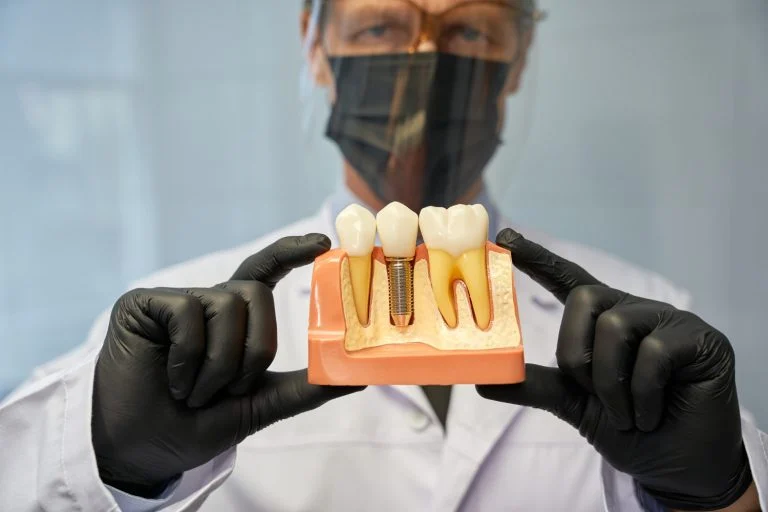
Dental implants are artificial tooth roots made of titanium that get placed into your jawbone. A crown attaches to the implant to replace a single missing tooth. Each single dental implant typically costs $3,000 to $5,000.
All-on-4 implants use just four implants to support a full arch of replacement teeth. This teeth in a day option lets you leave with a full set of teeth in one appointment.
All-on-4 costs less than replacing each tooth individually with separate implants.
Removable dentures are another option for replacing multiple missing teeth. Traditional dentures rest on your gums and can be taken out for cleaning.
Implant-supported dentures attach to dental implants for better stability. They cost more than traditional dentures but stay in place better when you eat and speak.
Restorative Dentistry and Replacing Missing Teeth
Restorative dentistry focuses on rebuilding damaged teeth and replacing missing teeth to restore function. Your treatment plan depends on how many teeth need work and their condition.
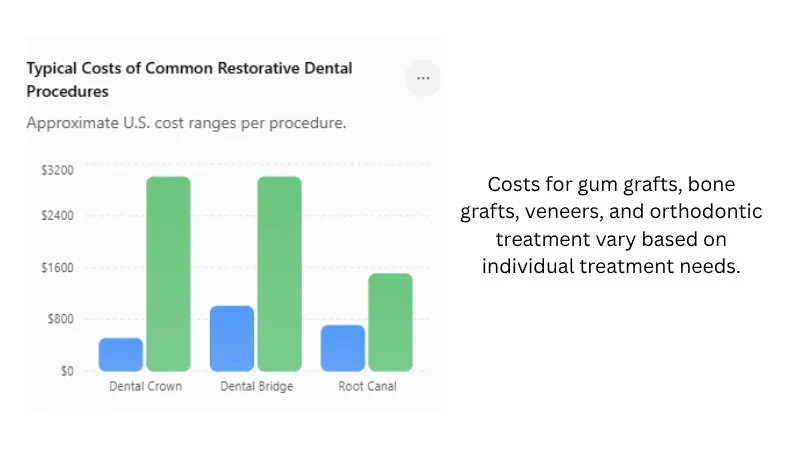
Crowns and bridges are common options. Crowns cover damaged teeth and cost $500 to $3,000 each. Bridges fill gaps from missing teeth and range from $1,000 to $3,000.
Root canal therapy saves infected teeth before placing a crown. This procedure costs $700 to $1,500 per tooth.
Some patients need periodontal surgery before other treatments begin. Gum grafts and bone grafts create a stable foundation for implants or other restorations.
These preparatory procedures vary widely in cost based on complexity.
Your dentist might also recommend veneers or orthodontic treatment as part of your full mouth reconstruction. The goal is creating a healthy mouth where all components work together properly.
Cost Breakdown for Full Mouth Reconstruction in Honolulu
Full mouth reconstruction pricing in Honolulu ranges from $30,000 to over $90,000 depending on the procedures you need and materials selected.
The number of implants, whether you require bone grafting, and your choice between acrylic or high-strength porcelain prosthetics will determine your final cost.
Average Price Ranges for Major Procedures
A single dental implant cost in Honolulu typically runs $3,000 to $6,000 per tooth. This includes the implant post, abutment, and crown.
If you need multiple teeth replaced, the All-on-4 procedure costs $25,000 to $40,000 per arch. This replaces an entire set of upper or lower teeth using just four implants.
All-on-6 treatments with six implants per arch cost $28,000 to $50,000. More implants provide better stability but increase your total investment.
Premium high-strength porcelain prosthetics range from $40,000 to $90,000 per arch. These last longer than acrylic options and look more natural.
Individual crowns cost $1,200 to $2,500 each in Honolulu. Dental bridges run $3,000 to $15,000 depending on how many teeth they replace.
Bone grafting adds $800 to $3,000 per site. A sinus lift costs $2,000 to $5,000 if needed for upper implants.
CBCT imaging and digital planning typically cost $300 to $600. Most practices include this in your treatment quote.
Factors That Affect Pricing: Number of Implants, Bone Grafting, and Materials
The number of implants you need directly impacts your total cost. Four implants per arch cost less than six or eight, but fewer implants may not provide enough support for some patients.
Your jaw bone density determines whether you need bone grafting. If bone loss has occurred, grafting adds several thousand dollars to your treatment. Patients with severe bone loss may need extensive grafting before implant placement.
Material selection makes a significant price difference. Acrylic hybrid prosthetics cost $20,000 to $35,000 per arch. Full high-strength porcelain restorations run $35,000 to $90,000 but offer superior durability and aesthetics.
A wax try-in session lets you preview your new smile before final fabrication. This step typically costs $500 to $1,500 but prevents costly adjustments later.
Sedation options affect your total. Local anesthesia is usually included, but IV sedation adds $500 to $1,500 to your procedure cost.

Choosing the Right Specialist for Treatment
A prosthodontist typically coordinates full mouth reconstruction cases, but you may need other specialists depending on your specific needs.
The right team makes a significant difference in your treatment outcome and overall experience.
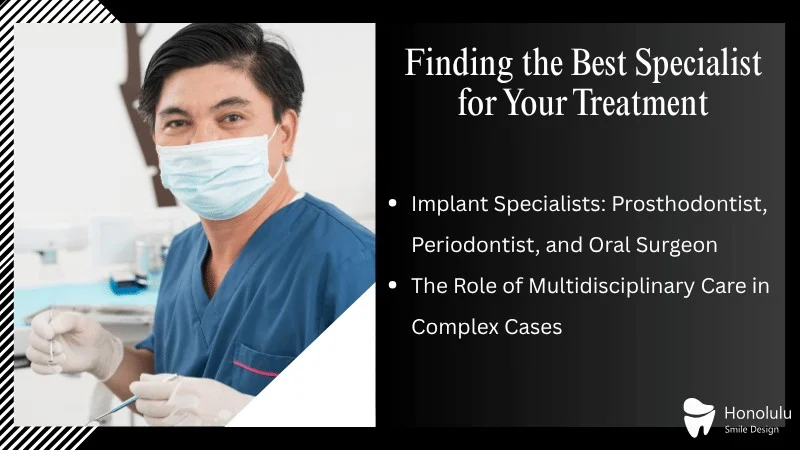
Implant Specialists: Prosthodontist, Periodontist, and Oral Surgeon
Prosthodontists are dental specialists who focus on replacing and restoring teeth. They have three additional years of training beyond dental school specifically in implant dentistry, crowns, bridges, and dentures.
Your prosthodontist will usually manage your entire treatment plan and coordinate with other specialists.
Periodontists specialize in gum health and the bone that supports your teeth. They often place dental implants and handle bone grafting procedures when you need additional bone structure.
If you have gum disease or need soft tissue work before reconstruction, a periodontist becomes essential.
Oral surgeons perform more complex surgical procedures like jaw reconstruction, extensive bone grafting, and difficult tooth extractions.
They also place dental implants, especially in complicated cases. Some full mouth reconstructions in Honolulu involve just one of these specialists, while others require two or all three working together on your case.
The Role of Multidisciplinary Care in Complex Cases
Complex reconstructions often need a team approach where multiple specialists collaborate on your treatment plan.
Your prosthodontist might design the final restoration while an oral surgeon places implants and a periodontist manages your gum health.
This coordination ensures each phase of treatment happens in the right order. For example, you might see a periodontist first to treat gum disease, then an oral surgeon for implants, and finally return to your prosthodontist for the permanent teeth.
In Honolulu, some dental practices have multiple specialists under one roof, which can simplify scheduling and communication.
Other times, your main specialist will refer you to trusted colleagues at different locations. The key is that all your providers stay in regular contact about your progress and any adjustments needed to your treatment plan.
Financial Planning: Insurance, Discount Plans, and Financing Options
Most dental insurance plans in Honolulu will cover parts of your full mouth reconstruction, but annual maximums mean you’ll need additional payment strategies.
Dental discount plans and financing through services like CareCredit can bridge the gap between what insurance pays and your total treatment cost.
Dental Insurance Coverage in Honolulu
Your dental PPO plan typically covers preventive care at 100%, basic procedures at 70-80%, and major procedures like crowns at 50%.
The challenge is that most dental insurance plans have annual maximums between $1,000 and $2,500.
This means your insurance might cover half of a crown, but when you need multiple crowns and implants, you’ll hit that maximum quickly.
Many Honolulu plans also have waiting periods of 6-12 months for major work.
What your insurance typically covers:
- Preventive: 100% (cleanings, exams, X-rays)
- Basic: 70-80% (fillings, simple extractions)
- Major: 50% (crowns, bridges, implants)
You should contact your insurance provider before starting treatment to understand your exact coverage and annual limits.
Dental Discount Plans and Membership Savings
Dental discount plans cost $80-$200 per year and can save you 20-50% on procedures in Honolulu. These aren’t insurance but membership programs where participating dentists agree to reduced fees.
Some Honolulu dental offices offer their own in-house membership plans. These typically include preventive dental care and discounts on major work for a monthly or annual fee.
Key benefits:
- No annual maximums like traditional insurance
- No waiting periods for major procedures
- Immediate savings on your first visit
- Can combine with payment plans
Financing Solutions: CareCredit and LendingClub
CareCredit offers 0% financing for 6-24 months on dental procedures if you qualify. Many Honolulu dentists accept CareCredit, making it one of the most popular payment plan options.
LendingClub provides personal loans specifically for medical and dental procedures. Interest rates vary based on your credit score, but you get a fixed monthly payment and longer repayment terms than CareCredit.
Most Honolulu dental offices also offer in-house payment plans that let you spread costs over several months. Ask about interest-free options or discounts for paying upfront.
| Financing Option | Best For | Term Length |
| CareCredit | Short-term, 0% interest | 6-24 months |
| LendingClub | Larger amounts, longer terms | 2-5 years |
| In-house plans | Flexible, no credit check | Varies by office |
What to Expect During the Full Mouth Restoration Process
The reconstruction process involves detailed planning sessions with imaging dental technology, options for sedation to keep you comfortable, and considerations if you’re traveling to Honolulu specifically for treatment.
Each phase builds toward your final result.
Consultation, Imaging, and Treatment Planning
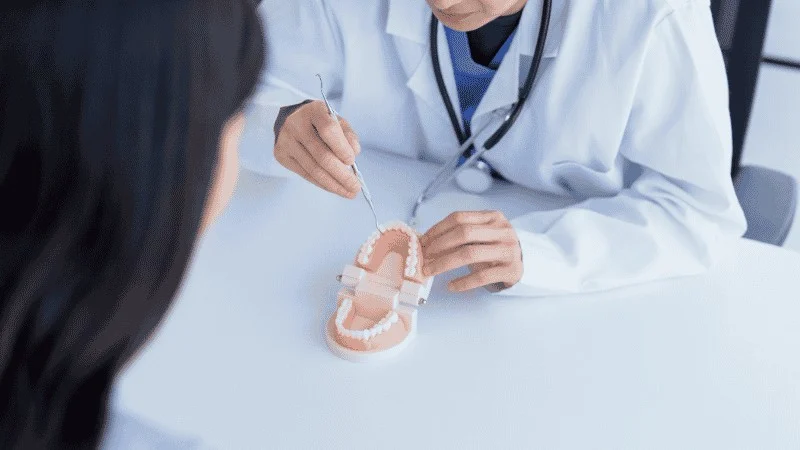
Your first visit includes a comprehensive exam where the dentist evaluates your teeth, gums, bite, and jaw alignment. This initial assessment helps identify all the issues that need correction.
Modern dental offices use CBCT imaging to create 3D scans of your mouth and jawbone. This advanced imaging shows bone density, nerve locations, and existing dental work with more detail than regular x-rays.
Your dentist uses these scans to plan implant placement and identify any hidden problems.
After reviewing all diagnostic information, your dentist creates a personalized treatment plan. This plan outlines which procedures you need, in what order, and how long each phase will take.
Many offices also create a wax try-in or digital mockup so you can see what your finished smile will look like before starting treatment.
The planning phase typically takes one to two weeks and includes detailed cost estimates for each procedure.
Sedation Options and Patient Comfort
Full mouth reconstruction involves multiple appointments and procedures that can feel overwhelming. Most dental offices in Honolulu offer several sedation options to help you stay relaxed.
Nitrous oxide (laughing gas) provides light sedation while you remain awake and aware. Oral sedation uses prescription medication taken before your appointment to help you feel calm but still responsive.
IV sedation delivers medication through your bloodstream for deeper relaxation where you’ll have little memory of the procedure.
The type of sedation you choose depends on your anxiety level, the length of your appointment, and which procedures you’re having done.
Your dentist will review your medical history to determine which options are safest for you.
Dental Tourism Considerations
Some patients travel to Honolulu from the mainland or other countries for dental work. If you’re considering this option, you need to factor in additional costs beyond the dental procedures themselves.
You’ll need to budget for multiple trips since full mouth reconstruction takes several months with healing time between procedures.
This means paying for flights, hotels, and meals for each visit phase. You should also research whether your dentist offers virtual follow-up appointments to reduce travel needs.
Make sure the dental office you choose has experience working with out-of-state patients. They should provide detailed treatment timelines so you can plan your trips accordingly.
Ask about emergency protocols if complications arise after you return home.
Frequently Asked Questions
The price of a full mouth reconstruction varies widely based on your specific dental needs and treatment choices. Insurance coverage is limited, but financing can make treatment more manageable.
What factors most affect the total price of a full mouth reconstruction in Honolulu?
The number of teeth you need to replace or restore has the biggest impact on your total cost. If you need dental implants, each implant adds to the price since they require surgical placement and custom components.
The materials your dentist uses also change the final bill. High-strength porcelain restorations cost more than composite or acrylic options, but they last longer and look more natural.
Your oral health plays a major role too. If you need bone grafting, gum disease treatment, or tooth extractions before reconstruction, these procedures add to your total expenses.
The dentist’s experience and training level affects pricing as well. Specialists with advanced credentials typically charge more than general dentists for complex reconstruction work.
What’s typically included in a full mouth reconstruction treatment plan and fee estimate?
Your treatment plan fee usually covers the main restorative procedures like crowns, bridges, implants, or dentures. Most estimates include the labor for designing and placing your final restorations.
Many quotes also include follow-up visits during the active treatment phase. These appointments let your dentist check healing and make adjustments to temporary restorations.
However, some costs might be separate from the main quote. Preparatory work like extractions, bone grafts, or gum treatments often appears as additional line items on your estimate.
How does the cost differ between full arch dental implants, dentures, crowns, and veneers for rebuilding a smile?
Full arch dental implants cost between $20,000 and $90,000 or more for just the upper or lower jaw. This option gives you permanent teeth that function like natural ones.
Traditional dentures are the most affordable choice, usually ranging from $1,500 to $8,000 per arch. They’re removable and need replacement every 5 to 7 years.
Individual crowns cost about $1,000 to $3,500 per tooth depending on the material. If you need multiple crowns across both jaws, the costs add up quickly.
Veneers typically run $1,000 to $2,500 per tooth. They only work if your natural teeth are still healthy enough to support the thin porcelain shells.
Are consultations, imaging (like CBCT scans), and temporary teeth usually included in the quoted price?
Initial consultations are often free or low-cost at many Honolulu dental practices. Some offices apply the consultation fee toward your treatment if you move forward.
CBCT scans and other advanced imaging usually cost extra. These 3D x-rays run $200 to $600 and help your dentist plan implant placement precisely.
Temporary teeth or dentures during treatment may or may not be included. Ask your dentist specifically about temporary restorations since wearing them for months can be essential for eating and appearance.
Lab fees for making your final restorations are typically built into procedure costs. However, revision fees for adjustments or remakes might be separate depending on your dentist’s policies.
What financing options are available to help pay for a full mouth reconstruction, and how do monthly payments usually work?
Many dental offices work with third-party financing companies like CareCredit or LendingClub. These companies offer payment plans with terms from 6 months to 7 years.
Interest rates vary based on your credit score and the plan you choose. Some plans offer 0% interest if you pay off the balance within a promotional period, usually 12 to 24 months.
Monthly payments depend on how much you finance and your chosen term length. For example, financing $30,000 over 5 years at 8% interest would cost around $608 per month.
Some dental practices offer in-house payment plans without credit checks. These arrangements let you pay directly to the office in installments, though terms vary by practice.
Does dental insurance cover any part of a full mouth reconstruction, and what costs are usually out-of-pocket?
Most dental insurance plans cover only a portion of restorative work. Your plan might pay for crowns or bridges needed due to decay or damage, but cosmetic improvements usually aren’t covered.
Annual maximum benefits limit how much insurance pays per year. Most plans cap coverage at $1,000 to $2,000 annually, which covers only a small fraction of reconstruction costs.
Understanding how much does a full mouth reconstruction cost helps you plan since most people don’t pay everything out of pocket at once. You’ll likely pay the majority of costs yourself even with insurance.
Some procedures like implants might be partially covered if deemed medically necessary. Your dentist can submit a pre-authorization to find out what your insurance will pay before starting treatment.