Professional teeth whitening results may remain noticeable for months or even years, depending on the type of discoloration, your daily habits, and how you maintain your smile.
There is no guaranteed duration, and some fading is expected over time. Your brightest shade immediately after treatment may soften before you notice any new staining.
That distinction helps you judge whether treatment is worth the investment. You may still have a clear improvement over your starting shade even after some initial brightness fades.
If you discuss whitening with Honolulu Smile Design, ask about both your likely result and the care needed to maintain it.
What Does the 6-Month-to-3-Year Range Actually Mean?
Your teeth may gradually lose some brightness as new stains develop, but they can remain lighter than their original shade for an extended period.
Peak Brightness vs. Lasting Shade Improvement
Your peak brightness is the lightest appearance you see around the end of treatment. Your lasting shade improvement is the difference between your settled tooth color and where you started.
You might notice a small loss of brightness while your teeth still look lighter than before tooth whitening.
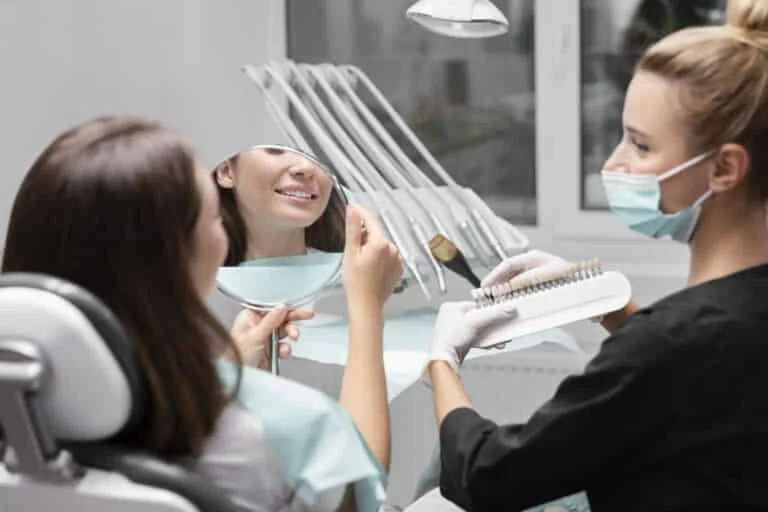
Comparing your current smile with a pretreatment photo gives you a more useful reference than trying to recall the shade from memory.
For a fair comparison, use similar lighting and avoid photo filters. Ask your dentist to record your starting shade and your settled result.
Why Early Color Rebound Is Not the Same as Restaining
Temporary dehydration during whitening can make teeth appear brighter immediately after treatment. As they rehydrate, the shade may settle slightly, even without new staining.
You may see this lighter appearance immediately after in-office whitening before your teeth return to their usual moisture level.
This early change has a different cause from pigments building up through repeated exposure to coffee or tobacco.
Give your result time to settle before deciding you need more treatment. Your dentist should tell you when to assess the shade for your particular whitening system.
How Do Whitening Methods Compare Over Time?
You get faster visible change with chairside whitening, while dentist-supervised trays offer a gradual approach and a practical way to manage future touch-ups.
A stronger whitening gel or a faster appointment does not establish longer durability.
| What you compare | Chairside whitening | Dentist-supervised trays | Whitening strips | Whitening toothpaste |
| Treatment pace | Office-based sessions | Repeated home applications | Repeated home applications | Gradual surface cleaning |
| Application | Dentist-controlled | Custom-fitted trays | Flexible strips | Daily brushing |
| Maintenance role | Planned office refresh | Prescribed touch-ups | Dentist-approved use | Surface-stain control |
| Main consideration | Early shade settling | Following gel instructions | Fit and gum contact | Abrasiveness |
Chairside Whitening: Fast Results With Variable Longevity
During chairside whitening, your dental team typically takes steps to protect your gums before applying a professional whitening product. The exact procedure depends on the whitening system used.
You should choose this approach when treatment speed fits your needs. Your diet and care afterward still affect fading, so a dramatic same-day change gives you little basis for predicting how your shade will look years later.
Ask what the appointment includes and whether a home maintenance plan is appropriate. When choosing a cosmetic dentist, include shade records and follow-up care in your questions.
Dentist-Supervised Trays: Gradual Results and Flexible Maintenance
You use custom whitening trays at home with a prescribed amount of gel. Your dentist selects the product and wears time to suit your teeth and sensitivity history.
Your gel may contain hydrogen peroxide or carbamide peroxide, which releases hydrogen peroxide as it breaks down. With this approach, you build the result through repeated applications.
You also have a convenient tool for future maintenance if your trays still fit properly. Keep them clean and stored safely, and have their fit checked after dental work or changes in tooth position.
Whitening Strips and Toothpaste: Different Expectations
You get peroxide-based bleaching from whitening strips, while most whitening toothpaste works mainly by removing surface stains. These products serve different purposes in your routine.
With strips, your result depends on the formulation and how well the material contacts your teeth. Uneven contact or gel touching your gums creates practical limits, especially if you already have sensitivity.
Whitening toothpaste can help remove some surface stains, but it generally cannot produce the same degree of intrinsic color change as peroxide-based bleaching. Choose a product appropriate for your enamel and sensitivity needs.
Why Do Some Smiles Stay Brighter Longer?
Your exposure to stains and your natural tooth structure influence how long the improvement remains visible. Your oral hygiene also affects how much plaque and surface discoloration build up.
How Coffee, Tea, Tobacco, and Daily Habits Affect Fading
You expose your teeth to pigments when you drink coffee, tea, or red wine. Frequent sipping spreads that exposure throughout the day.
You do not need to abandon every staining food or drink. Having your drink with a meal and rinsing with water afterward are practical ways to reduce lingering residue.
If you use tobacco, stopping helps limit recurring stains and protects your oral health. Keep your dental cleaning schedule tailored to your needs so buildup receives attention before you assume you need more bleach.
Surface Stains vs. Deeper Discoloration
Your surface stains, also called extrinsic stains, collect on the outside of your teeth. Coffee and tobacco are familiar contributors, and professional cleaning removes some of this discoloration.
Your intrinsic stains sit within the tooth structure. These include some medication-related changes and discoloration associated with injury, which require an assessment before whitening.
You get chemical bleaching when peroxide breaks down colored compounds within teeth.
Your response still depends on the cause of the discoloration, so a single dark tooth deserves a dental exam before further treatment.
How Enamel Thickness and Dentin Affect Tooth Color
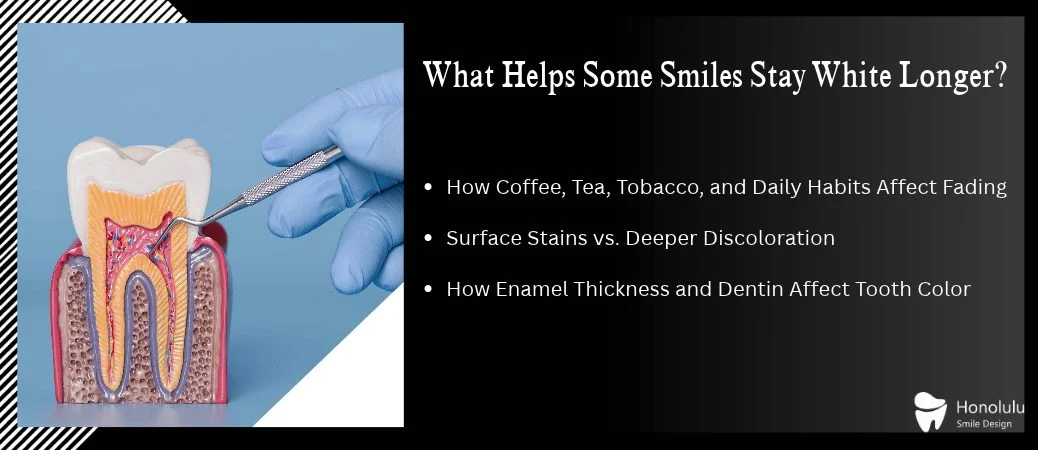
Your tooth color comes partly from dentin, the naturally yellowish layer beneath your translucent tooth enamel. Your enamel thickness affects how much of that underlying color shows through.
If your enamel becomes thinner through wear or erosion, your teeth may look more yellow even when their surfaces are clean. Extra whitening does not restore lost enamel thickness.
Ask your dentist whether a shade change reflects stain, tooth wear, or another condition. That distinction helps you avoid repeated bleaching when your teeth need a different type of care.
How Can You Maintain Results Without Overwhitening?
You maintain results through steady oral hygiene and a touch-up plan matched to visible fading and comfort. Your whitening frequency should follow the product instructions and your dentist’s advice.
Everyday Care That Helps Limit New Stains
You protect your result by keeping plaque and surface buildup under control. A consistent oral hygiene routine should include fluoride toothpaste and cleaning between your teeth.
Use these habits between whitening treatments:
- Brush gently with a soft-bristled toothbrush.
- Clean between your teeth daily.
- Rinse with water after staining drinks.
- Keep dental visits on the schedule recommended for you.
If you choose whitening toothpaste, ask whether its abrasiveness suits your teeth. Avoid scrubbing harder to chase a lighter shade, especially if you have exposed roots or enamel wear.
When to Discuss Touch-Ups With Your Dentist
You should discuss a touch-up when you notice persistent fading after your shade has settled. Start by asking whether a cleaning would address the discoloration.
Bring your whitening trays and the name of your gel to the appointment. Your dentist can check the fit and decide whether the product remains appropriate.
Your maintenance plan should specify the gel, wear time, and stopping point. A fixed calendar schedule for everyone overlooks differences in staining exposure and sensitivity.
At Honolulu Smile Design, Dr. John Ha, DDS can evaluate your tooth shade, sensitivity, and existing restorations to help determine whether a whitening touch-up or another cosmetic option may be appropriate.
What to Do About Sensitivity or Gum Irritation
You should pause whitening if you develop sensitivity or gum irritation. Avoid adding strips or another bleaching product while your teeth recover.
Your dentist may recommend a sensitivity toothpaste, shorter applications, or a different gel strength. If excess gel escapes from your trays, have the amount and tray fit checked before restarting.
Seek dental advice for severe pain, lingering symptoms, or pain focused on one tooth. A cavity or crack needs assessment before you continue cosmetic treatment.
A Brighter Smile Needs a Realistic Maintenance Plan

You get the most useful long-term plan when professional teeth whitening includes a settled-shade check and clear touch-up instructions.
Your daily stain exposure and comfort should guide maintenance after the initial professional whitening treatment.
If you are planning a smile makeover, discuss whitening before choosing the shade of new visible restorations. At Honolulu Smile Design, you can make that timing part of your cosmetic dentistry conversation and ask for written home-care instructions.
Frequently Asked Questions
Your whitening decisions are easier when you know what to expect during treatment and between visits.
Is professional teeth whitening worth it if results fade?
You may find professional teeth whitening worthwhile if you want a visible change and accept occasional maintenance.
Before committing, ask about the expected improvement for your discoloration and the cost of future touch-ups.
How long does a professional whitening appointment take?
You should plan for an office visit that includes preparation, gum protection, and the whitening applications. Ask for the total booked time for your chosen system, including any exam or cleaning scheduled with it.
How soon after whitening can I eat and drink normally?
You can resume eating and drinking once any product-specific waiting period has passed. Follow your dentist’s instructions, and choose comfortable food temperatures if your teeth feel sensitive; a universal restrictive “white diet” is unnecessary.
Will crowns, veneers, or fillings whiten with my teeth?
Your crowns, veneers, and fillings will keep their existing base color while your natural teeth whiten. If you have visible restorations, discuss the risk of a shade mismatch before starting treatment.
Can I use whitening strips between professional treatments?
You may use whitening strips between treatments if your dentist approves the product and timing. Share your existing whitening schedule first so you avoid overlapping peroxide treatments or worsening sensitivity.