Losing a tooth forces you to make a big choice. You want something that looks natural, feels stable, and lasts as long as possible. When comparing tooth implants and dentures, durability is often the deciding factor.
Dental implants usually last much longer than dentures, often decades or even a lifetime with proper care, while dentures typically need replacement every 5–10 years. That difference can affect your comfort, your daily routine, and your long-term costs.
You also need to think about how each option affects your jawbone, how it feels when you eat, and how much upkeep it requires. Understanding these factors in the tooth implant vs dentures comparison helps you choose the option that fits your health, budget, and goals.
Key Takeaways
- Implants tend to last decades, while dentures need replacement every several years.
- Each option works differently and affects comfort, bone health, and daily function.
- Long-term value depends on maintenance, overall health, and upfront costs.
Longevity Comparison: Tooth Implants vs Dentures
When you choose between a dental implant and dentures, you want to know how long each option will last. The answer depends on materials, bone support, daily care, and your health habits.
Expected Lifespan of Dental Implants
A dental implant can last decades when you care for it well. Many studies report a 90–95% success rate at 10 years, and some implants last 20–30 years or more, as noted in this review of implant lifespan and success rates.
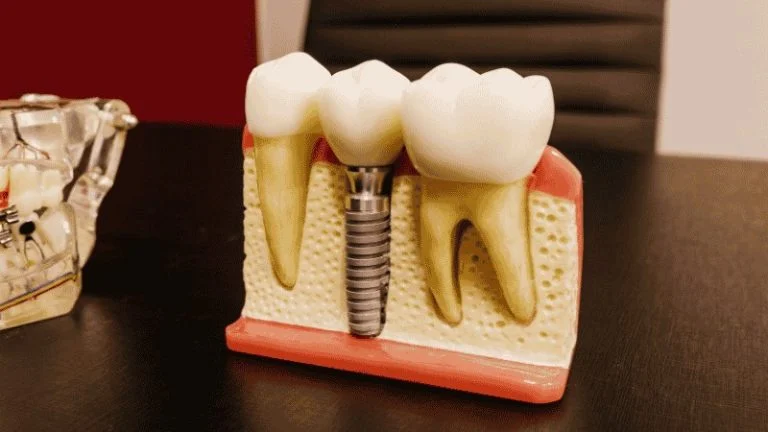
The titanium post bonds to your jawbone through osseointegration. This process creates a strong base that acts like a natural tooth root. Because the implant fuses with bone, it does not rely on your gums for support.
The crown on top usually lasts 10–15 years before it may need to be replaced due to wear. The post often stays in place much longer.
Implant failure can occur, but it is rare. Poor oral hygiene, smoking, and uncontrolled diabetes raise the risk. Regular checkups help catch problems early.
Typical Longevity of Dentures
Dentures, also called false teeth, do not last as long as implants. Most full dentures last about 5–7 years before you need a replacement. Partial dentures follow a similar timeline.
Your jawbone changes shape after tooth loss. Since dentures sit on your gums and do not replace the root, they cannot stop bone shrinkage. Over time, this affects the fit.
You may also need:
- Relines every 1–2 years
- Repairs for cracks or worn teeth
- Adhesive products for daily stability
Even high-quality dentures need updates as your mouth changes. Poor fit can cause sore spots and make chewing harder.
Factors Influencing Durability

Several factors affect the lifespan of dental implants and dentures.
Oral hygiene plays a major role. Brushing, flossing, and cleanings help prevent gum disease and bone loss around implants. Poor care increases the risk of implant failure.
Smoking lowers blood flow and slows healing. It increases the risk of implant problems and accelerates bone loss under dentures.
Bone health matters most for implants. Strong, healthy bones support long-term stability. Weak bone may require grafting before placement.
Teeth grinding can wear down crowns and crack dentures. A custom night guard can protect both options.
Your daily habits shape how long your tooth replacement will truly last.
Our dental team can evaluate your oral health and help you find the option that fits your goals and lifestyle. Contact us today to schedule your consultation and explore your tooth replacement options.
How Each Replacement Option Works
Dental implants and dentures replace missing teeth in very different ways. One anchors into your jawbone, while the other rests on your gums or connects to a few implants for support.
What Are Dental Implants and How Are They Placed?
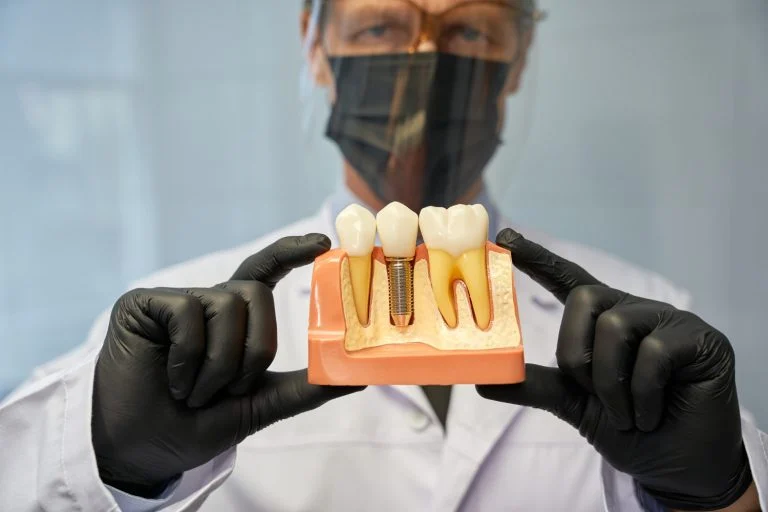
Dental implants act like artificial tooth roots. Your dentist places a small titanium post into your jawbone during a minor surgery.
Over time, your bone grows around the post. This process helps lock the implant in place and keeps your jawbone strong.
After healing, your dentist attaches an abutment to the implant. The abutment connects the post to your prosthetic teeth, such as a crown, bridge, or full arch.
Implant placement often happens in stages:
- Insert the implant into the jawbone
- Allow healing for several months
- Attach the abutment
- Secure the final crown or bridge
If you want a full arch replacement, options like All-on-4 use four implants to support a full set of teeth. Many dentists prefer implants because they closely mimic natural teeth and support bone health.
How Dentures Replace Missing Teeth
Dentures replace teeth without surgery. Instead of going into your jawbone, they sit on top of your gums.
Complete dentures replace all teeth in your upper or lower arch. A gum-colored base supports a full row of artificial teeth.
If you still have some natural teeth, you may get partial dentures. Small metal clasps attach to nearby teeth to hold them in place.
Dentures rely on suction, fit, and sometimes adhesive. You remove them at night for cleaning and soaking.
Over time, your jawbone can shrink because there are no tooth roots to stimulate it. This change can make dentures feel loose and require relining or replacement.
Implant-Supported Dentures and Hybrid Options
An implant-supported denture blends both systems. Your dentist places several implants in your jawbone, and the denture snaps or locks onto them.
These are also called implant-retained dentures. Some types stay fixed in place, while others snap out for cleaning.
Common hybrid options include:
- All-on-4, which uses four implants per arch
- Dentures supported by four to six implants
- Snap-in dentures that you remove daily
Because implants anchor the denture, you get more stability when you chew or speak. Many patients compare these systems when reviewing dental implants vs dentures, since hybrids can reduce slipping while still costing less than a full set of individual implants.
Impact on Jawbone and Oral Health
Your jawbone needs steady pressure from tooth roots to stay strong. The type of tooth replacement you choose affects jawbone density, bone health, and your long-term oral health in clear ways.
Bone Preservation and Jawbone Density
When you lose a tooth, the jawbone in that area no longer receives pressure from chewing. Without that stimulation, the bone begins to shrink.
Dental implants replace both the crown and the root. The implant post fuses with your bone through osseointegration, helping maintain your jawbone density. This process keeps the bone active and strong by allowing it to continue to withstand normal bite forces.
Dentures sit on top of your gums rather than being embedded in the bone. They do not provide direct stimulation to the jaw. Over time, this lack of pressure can lead to gradual bone loss.
Many dentists note that implants better support long-term bone structure, as explained in this guide on dental implants vs dentures and long-term oral health.
Long-Term Oral Health Effects
Your jawbone supports your teeth, facial shape, and bite alignment. When bone health declines, other oral health problems may follow.
With implants, you brush and floss much like you do with natural teeth. This routine helps protect your gums and nearby teeth. Because implants stay fixed in place, they do not rub against the gums or cause sore spots.
Dentures require daily removal and cleaning. If they fit poorly, they may irritate gum tissue or trap food. Over time, changes in jawbone density can cause dentures to loosen, which may affect how you chew and speak.
Your choice can shape your oral health habits for years.
Risks of Bone Loss and Bone Grafting
Bone loss often starts soon after a tooth is removed. The longer the space stays empty, the more jawbone density you may lose.
If bone loss becomes severe, you may not have enough bone to support an implant. In that case, your dentist may suggest a bone graft. Bone grafting adds material to rebuild the area and create a stable base for osseointegration.
Bone grafting can improve implant success, but it adds time and cost to treatment. Dentures do not require bone graft surgery, yet they also do not stop bone shrinkage.
When you think about lasting results, consider how each option affects your jawbone health today and years from now.
If you are considering dental implants or dentures in Honolulu, HI, our experienced team at Honolulu Smile Design can guide you through every step of the process. Book your visit today and restore your smile with expert care in Honolulu.
Functionality, Comfort, and Natural Feel
When you compare implants and dentures, you will notice clear differences in how they work day to day. The way you chew, speak, and feel throughout the day can change based on which option you choose.

Chewing Efficiency and Bite Force
You rely on a strong bite force to chew meat, raw vegetables, and other firm foods. Dental implants anchor into your jawbone, allowing you to apply pressure similar to that of natural teeth. This support often leads to better chewing efficiency and fewer food limits.
Dentures rest on your gums. Because they are removable, they do not transfer force to the bone as effectively. Lower dentures may shift when you bite into hard foods, reducing bite strength.
Many dentists note this difference when comparing dental implants vs. dentures for better long-term function. If you want fewer food restrictions and a stronger bite, implants usually provide that advantage.
Speech and Confidence
Missing teeth can affect how you form words. Gaps or loose appliances may cause slurred sounds or clicking noises.
Implants stay fixed in place, so your tongue can move naturally against your teeth. This stable base can help you improve speech clarity over time. You do not need to worry about teeth shifting while you talk.
Removable dentures may require an adjustment period. At first, you might notice extra saliva or slight movement while speaking. With practice, many people adapt well.
A review of dentures vs. implants and how to choose explains that stability plays a key role in comfort and confidence. When your teeth feel secure, you often feel more relaxed in social settings.
Stability and Everyday Comfort
Stability affects how your teeth feel throughout the day. Implants fuse with your jawbone, which creates a fixed base that does not slide or lift. This design supports a more natural feel when you chew or smile.
Dentures are removable dentures, which means you take them out for cleaning and soaking. They rely on suction, clasps, or adhesive to stay in place. Over time, bone changes in your jaw may require relines or adjustments.
Experts who compare dental implants vs dentures often highlight comfort as a key advantage of dental implants. If you prefer a solution that feels more natural and stays put during daily tasks, implants usually offer more consistent comfort.
Maintenance, Oral Hygiene, and Long-Term Care
Your daily habits play a major role in how long your tooth replacement lasts. Implants and dentures both need consistent care, but the steps and risks differ in important ways.
Oral Hygiene Requirements
If you choose a dental implant, you care for it much like a natural tooth. You brush twice a day with a soft toothbrush and use floss or interdental brushes to clean around the implant crown.
Plaque can still build up along the gumline. If you skip cleaning, you raise your risk of inflammation and peri-implant disease, which can threaten the implant.
Dentures require a different routine. You remove them daily and clean all surfaces with a nonabrasive denture cleanser. Regular toothpaste can scratch acrylic bases, so you should avoid it.
You also need to clean your gums and tongue. Even without natural teeth, bacteria collect on soft tissue and can cause irritation or infection.
Good oral hygiene protects your investment. It also lowers your risk of bad breath, sore spots, and long-term complications.
Daily Maintenance Differences
Dental implants stay fixed in your mouth. You do not remove them at night, nor do you soak them in solution.
Your focus stays on brushing, flossing, and keeping the gum tissue healthy. Some people use water flossers to help clean hard-to-reach areas around implant bridges.
Dentures require hands-on care every day. In most cases, you take them out before bed and store them in water or denture solution to prevent drying and warping.
You must handle them carefully. Dropping a denture can crack the base or chip a tooth.
Removable appliances may also need adhesive. Over time, changes in your jawbone can affect fit, which may lead to sore spots or slipping during meals.
Regular Dental Check-Ups and Professional Support
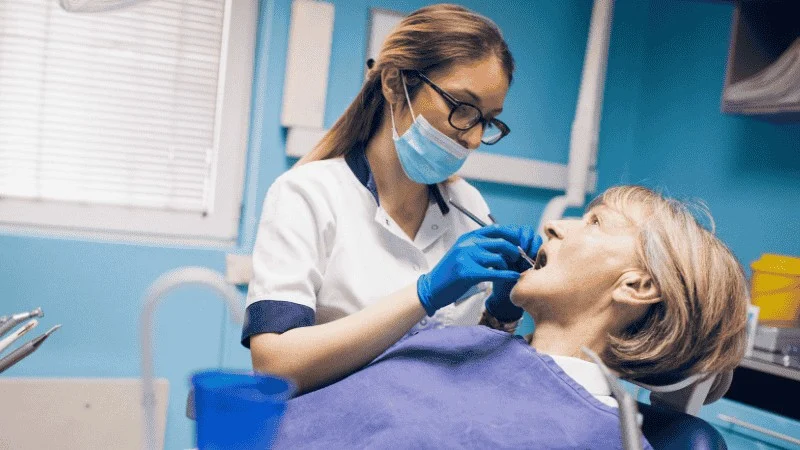
Both options require routine dental check-ups. Most implant dentists recommend visits at least every six months.
During these visits, your provider checks gum health, bone levels, and the stability of the implant. If you had prior oral surgery, they monitor healing and watch for signs of infection or bone loss.
Dentures also need regular evaluation. Your dentist checks the fit, bite alignment, and the condition of the acrylic base and artificial teeth.
As explained in this long-term guide to choosing dental implants vs dentures, removable dentures often need relining or replacement every 5–8 years as your ridge changes.
Professional cleanings and timely adjustments help prevent minor issues from becoming costly repairs. Staying consistent with care supports comfort and long-term function.
If you want improved stability, better chewing ability, and long-term jawbone support, implants may be the right choice. Schedule an implant consultation to learn if you are a candidate.